

For B2B procurement managers, navigating the complexities of the Sting Energy Drink Distribute Channel is critical for market penetration, product integrity, and sustained profitability. The intricate journey from manufacturing to consumer points demands a deeply analytical approach, emphasizing technical specifications, rigorous quality control, and robust logistical frameworks. D-P Consumer specializes in providing transparent, efficient, and compliant supply chain solutions for high-volume beverage distribution, addressing the unique challenges presented by energy drinks.
Table of Contents
- The Strategic Imperative of Optimizing the Sting Energy Drink Distribute Channel
- Technical Specifications and Quality Control in Energy Drink Logistics
- Advanced Logistics and Supply Chain Transparency for Sting Energy Drink Distribute Channel
- Risk Mitigation and Contingency Planning for Sting Energy Drink Distribution
- Conclusion: Partnering for Peak Performance in Energy Drink Distribution
- Frequently Asked Questions
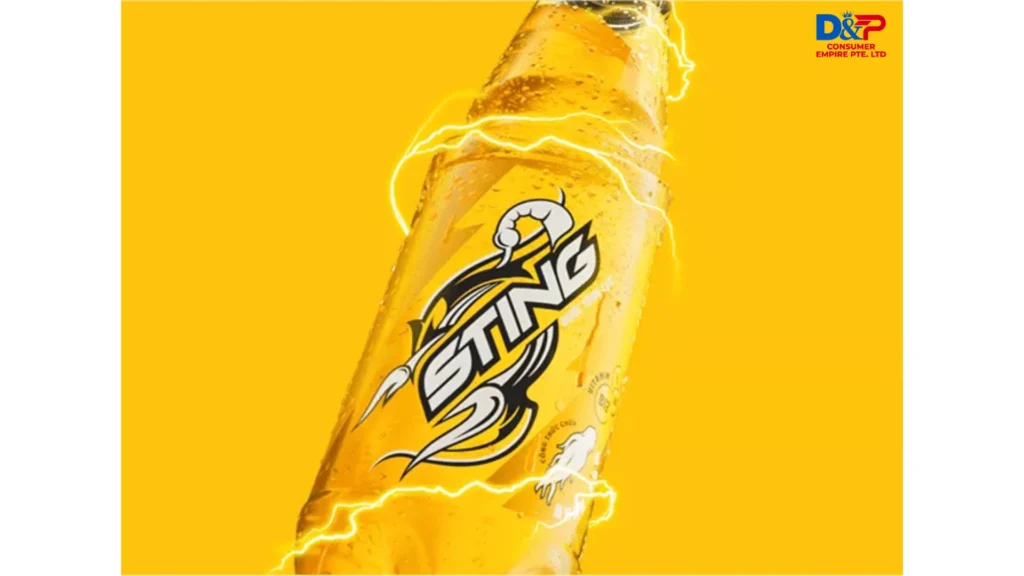
The Strategic Imperative of Optimizing the Sting Energy Drink Distribute Channel
The global energy drink market, spearheaded by brands like Sting, operates on tight margins and high consumer expectations. Therefore, the efficiency and reliability of the Sting Energy Drink Distribute Channel are not merely operational concerns but strategic differentiators. Procurement professionals must scrutinize every segment of the supply chain, from sourcing raw materials to last-mile delivery, to ensure product freshness, brand reputation, and regulatory adherence. Understanding the broader landscape of beverage distribution strategies, as outlined in our comprehensive guide on Global Beverage Distribution Strategies, provides a foundational perspective for optimizing specific product channels.
Key challenges include managing fluctuating demand, navigating diverse regulatory environments across international borders, and maintaining product integrity under varying climatic conditions. A lapse in any of these areas can lead to significant financial losses, product recalls, and irreparable brand damage. D-P Consumer’s expertise lies in developing bespoke distribution models that mitigate these risks, ensuring that Sting Energy Drink products reach their target markets efficiently and in pristine condition.
Technical Specifications and Quality Control in Energy Drink Logistics
Maintaining the organoleptic and chemical stability of Sting Energy Drink throughout its distribution journey demands adherence to stringent technical specifications and robust quality control protocols. This includes precise management of packaging integrity, temperature, and humidity.
Packaging Standards for Robust Transit
The packaging of Sting Energy Drink, typically in cans or PET bottles, must withstand mechanical stresses during loading, transit, and unloading. Procurement managers must specify packaging materials and configurations that prevent puncturing, denting, or leakage. This involves:
- Palletization: Strict stacking patterns and stretch-wrapping to prevent shifting.
- Container Loading: Optimization for space utilization while minimizing potential for damage.
- Material Strength: Ensuring cartons and secondary packaging meet required bursting strength and compression resistance.
Temperature and Humidity Regimes for Shelf-Life Preservation
Energy drinks, while often perceived as shelf-stable, can suffer quality degradation if exposed to extreme temperatures or humidity fluctuations. High temperatures can accelerate chemical reactions, affecting flavor profile and shelf life, while freezing can lead to packaging compromise. D-P Consumer implements advanced cold chain management strategies to maintain optimal conditions.
For a deeper dive into ensuring food product safety and quality, explore our resource on HACCP Food Safety Standards.
Compliance with GlobalGAP, ISO, and HACCP for Beverage Distribution
International trade in beverages necessitates strict adherence to global food safety and quality standards. D-P Consumer’s partners and processes are rigorously vetted to comply with:
- GlobalGAP: Ensuring responsible farming practices for any agricultural ingredients, although less directly applicable to synthetic energy drink components, it underpins a responsible supply chain ethos.
- ISO 22000: A comprehensive standard for food safety management systems throughout the food chain. Our commitment extends to every link, providing assurance to B2B clients. Learn more about ISO 22000 in Global Food Supply Chain Management.
- HACCP (Hazard Analysis and Critical Control Points): A preventative system to identify and control potential hazards in food production and distribution. This is paramount for energy drink safety.
These certifications are not just badges; they are operational mandates that dictate everything from warehouse sanitation to transport vehicle maintenance, directly impacting the integrity of the Sting Energy Drink Distribute Channel.
| Parameter | Specification for Sting Energy Drink Distribution | Rationale |
|---|---|---|
| Optimal Storage Temperature | 15°C – 25°C (59°F – 77°F) | Maintains flavor stability, prevents degradation of active ingredients, avoids packaging stress. |
| Relative Humidity | Below 60% | Prevents condensation inside containers, inhibits mold growth on external packaging. |
| Light Exposure | Minimised (UV protection) | Prevents photo-oxidation of ingredients, preserves color and sensory attributes. |
| Vibration/Shock Tolerance | Designed for standard road/sea freight | Minimizes product agitation, prevents packaging damage (dents, leaks). |
| Shelf Life (Unopened) | Typically 12-18 months | Ensures adequate retail display and consumption window under optimal conditions. |
Advanced Logistics and Supply Chain Transparency for Sting Energy Drink Distribute Channel
Effective management of the Sting Energy Drink Distribute Channel hinges on leveraging advanced logistics, embracing multimodal transport, and ensuring end-to-end supply chain transparency. These elements collectively contribute to cost efficiency, reduced lead times, and enhanced reliability.
Multimodal Transport Strategies
For international distribution, a multimodal approach often provides the optimal balance of speed, cost, and capacity. This involves strategically combining sea freight for long-haul, cost-effective base movements, with road or rail for inland distribution. D-P Consumer orchestrates these complex movements, ensuring seamless transfers and minimizing dwell times at ports and hubs.
Inventory Management and Predictive Analytics
Accurate demand forecasting and agile inventory management are crucial for perishable goods like beverages. Implementing predictive analytics allows for proactive stock positioning, reducing the risk of overstocking (leading to expiry) or understocking (leading to missed sales opportunities). Our systems integrate real-time data to optimize warehouse operations and dispatch schedules.
Sustainable Practices in Energy Drink Distribution
Sustainability is no longer a niche concern but a core business imperative. B2B procurement managers increasingly prioritize partners who demonstrate a commitment to environmental stewardship. For the Sting Energy Drink Distribute Channel, this translates to:
- Optimized Routing: Reducing fuel consumption and emissions through intelligent route planning.
- Eco-friendly Packaging: Exploring recyclable or recycled materials for secondary packaging.
- Energy-Efficient Warehousing: Utilizing renewable energy sources and efficient cooling systems.
Discover more about our commitment to environmental responsibility in our article on Sustainable Cold Chain Logistics Solutions.
Risk Mitigation and Contingency Planning for Sting Energy Drink Distribution
Global distribution is inherently susceptible to a range of risks, from geopolitical instability to natural disasters and economic shifts. A robust strategy for the Sting Energy Drink Distribute Channel must include comprehensive risk mitigation and well-defined contingency plans.

Addressing Geopolitical and Economic Volatility
D-P Consumer maintains a global network and leverages extensive market intelligence to anticipate and respond to geopolitical shifts, trade policy changes, and economic fluctuations. Diversifying shipping routes, maintaining strategic inventory buffers, and engaging with multiple logistics partners are key tactics to ensure continuity of supply.
Regulatory Compliance Across Jurisdictions
Each target market for Sting Energy Drink may have unique import regulations, labeling requirements, and food safety standards. Navigating this intricate web of compliance is a core competency for D-P Consumer. We ensure that all shipments adhere to local laws, preventing customs delays, fines, or rejection of goods, thereby safeguarding the integrity of the Sting Energy Drink Distribute Channel.
Conclusion: Partnering for Peak Performance in Energy Drink Distribution
Optimizing the Sting Energy Drink Distribute Channel requires more than just logistical coordination; it demands a strategic partner with deep technical expertise, unwavering commitment to quality, and a transparent approach to supply chain management. D-P Consumer provides B2B procurement managers with the assurances needed to navigate complex international markets, ensuring product integrity, regulatory compliance, and sustained operational efficiency. Our analytical framework, coupled with robust quality control and sustainable practices, positions your Sting Energy Drink products for optimal market performance and consumer satisfaction. Partner with D-P Consumer to transform your distribution challenges into competitive advantages.
Explore how D-P Consumer can enhance your beverage supply chain. Contact our trade specialists today for a detailed consultation and a tailored quote.
Sting Energy Drink Distribute Channel FAQ
Disclaimer: Unless otherwise stated, the images used in this article are the property of their respective owners. We do not claim ownership of any third-party images featured, and they are used here strictly for informational and educational purposes. If you are the copyright holder and wish to have an image removed, please contact us.



