
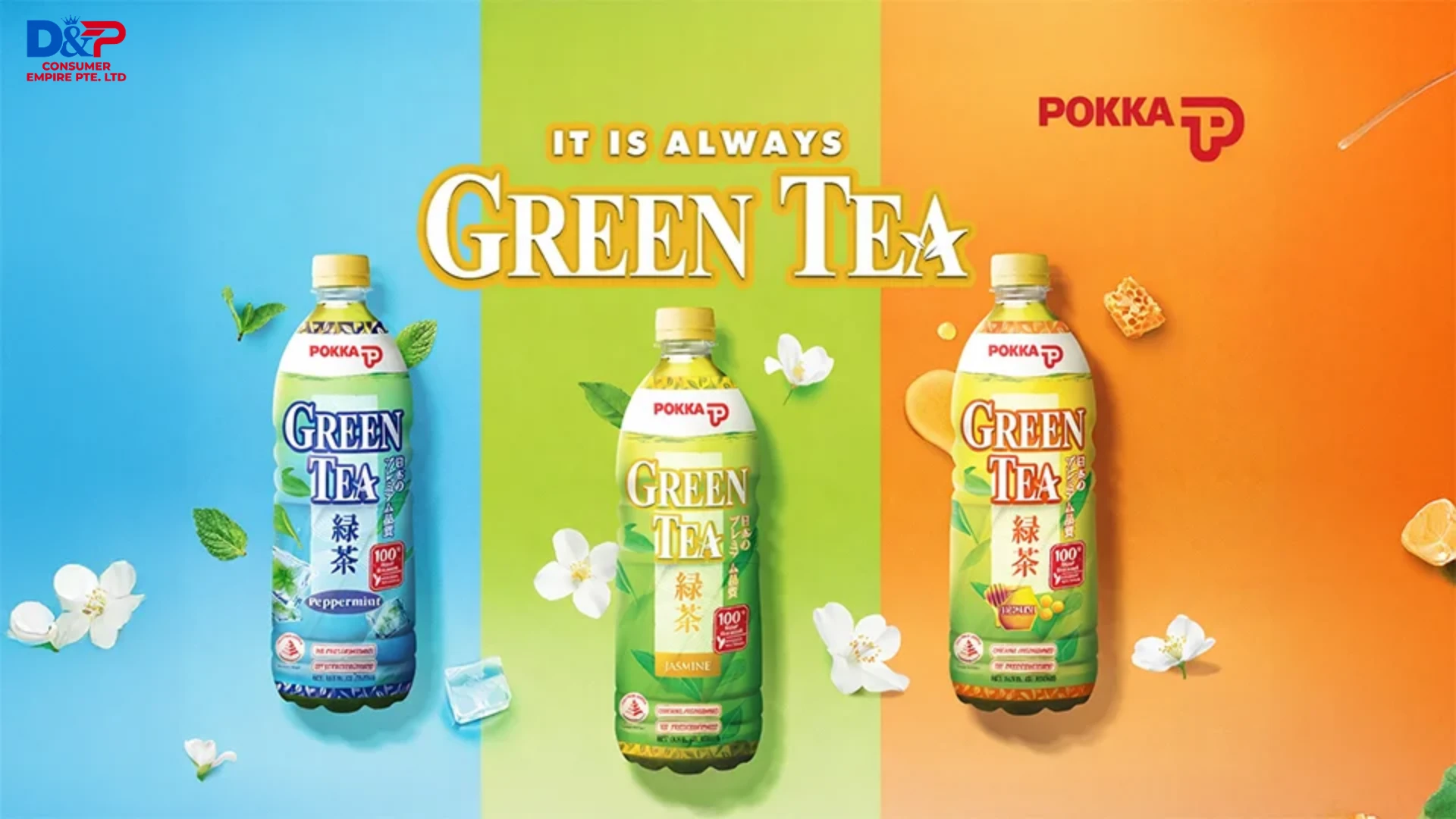

Analyzing the Pokka Green Tea Distribute Channel network provides a blueprint for how one of the Asia-Pacific region’s premier Ready-To-Drink (RTD) tea brands achieves pervasive market availability across diverse global territories. For FMCG sales directors, wholesale importers, and retail category managers, understanding Pokka’s route-to-market (RTM) strategy reveals how multi-tiered distribution networks transport high-velocity stock from aseptic manufacturing plants in Singapore and Malaysia to urban supermarkets, convenience chillers, and HoReCa venues.
Table of Contents
- Analyzing Pokka’s Multi-Tiered Route-to-Market (RTM) Distribution Matrix
- Direct Store Delivery (DSD) vs. Centralized Supermarket Warehouse Distribution
- Retail Channel Matrix: Modern Trade, Convenience Forecourts, Traditional Trade, and HoReCa
- Thermal Quality Management Across Ocean and Inland Transit
- Digital Inventory Management, Predictive Restocking, and Last-Mile Operations
- Frequently Asked Questions (FAQ)
1. Analyzing Pokka’s Multi-Tiered Route-to-Market (RTM) Distribution Matrix
Pokka’s distribution strategy balances volume-driven modern retail with high-margin impulse channels. The brand utilizes a hybrid distribution model tailored to regional infrastructure maturity:
- Production & Master Import Stage: Pokka Singapore/Malaysia manufacturing hubs ship full container loads (FCL) to regional master importers and licensed distribution partners.
- Primary Wholesale Distribution Stage: Master importers supply Direct Store Delivery (DSD) fleets for high-velocity local retail and centralized wholesale channels for hypermarket fulfillment centers.
- Last-Mile Retail Execution: Product flows into convenience store chillers (7-Eleven, Lawson), hypermarket shelves (Carrefour, FairPrice), and traditional trade outlets.
2. Direct Store Delivery (DSD) vs. Centralized Supermarket Warehouse Distribution
To maximize market coverage, Pokka distributors utilize two main physical distribution channels:
Direct Store Delivery (DSD)
Under the DSD model, regional master distributors operate dedicated delivery fleets that ship stock directly from central warehouses to individual retail store chillers. Sales representatives manage shelf display setup, stock rotation (FIFO), and localized promotional activations.
- Primary Advantage: Maximizes chiller visibility, eliminates retail backroom storage gridlock, and ensures pristine product presentation in high-traffic convenience chains.
- Trade-Off: Incurs higher operational fleet costs and requires localized labor density.
Centralized Warehouse Distribution
Under centralized distribution, green tea inventory is shipped in full truckloads (FTL) or full container loads (FCL) to supermarket distribution centers, cash-and-carry hubs, or national retail logistics centers.
- Primary Advantage: Significantly lowers logistics distribution costs per unit, enabling bulk volume discounting for major hypermarket chains.
- Trade-Off: Shifts store-level merchandising and inventory handling responsibilities to the retailer.
3. Retail Channel Matrix: Modern Trade, Convenience Forecourts, Traditional Trade, and HoReCa
Different retail channels require tailored logistics setups, packaging formats, and delivery frequencies:
| Retail Channel | Target Outlets | Dominant Packaging SKUs | Delivery Model | Relative Gross Margin |
| Modern Trade | Hypermarkets, Supermarkets | 1.5L PET, 6-Pack 300ml Cans | Central Warehouse Distribution | Standard Volume Margins |
| Convenience & Forecourt | Gas Stations, Express Stores | 500ml PET, 300ml Sleek Cans | DSD / Frequent Replenishment | High Margin per Unit |
| Traditional Trade | Mom-and-Pop Shops, Kiosks | 300ml Cans, 250ml Tetra Pak | Wholesalers / Micro-Distributors | Moderate Volume Margins |
| HoReCa & Food Service | Asian Restaurants, Hotels | 300ml Glass/Cans, Fountain Syrup | Food Service Distributors | Premium Service Margins |
| Institutional / Travel | Airlines, Schools, Offices | 250ml Tetra Pak Boxes | Scheduled Bulk Delivery | Fixed Contract Margins |
4. Thermal Quality Management Across Ocean and Inland Transit
Although Pokka RTD tea is shelf-stable at ambient temperatures, heat exposure during transit can degrade catechins and alter delicate tea aromas.
Temperature Thresholds during Ocean & Road Shipping
- Optimal Transport Temperature: Between 15°C and 25°C (59°F to 77°F).
- Critical Exposure Upper Limit: Prolonged exposure to temperatures exceeding 38°C (100°F) inside sealed shipping containers causes dark oxidation and flavor browning.
- Thermal Mitigation Strategy: Importers operating across tropical sea routes utilize thermal container liners or request “below-deck” ocean vessel stowage to protect tea volatile oils from heat degradation.
5. Digital Inventory Management, Predictive Restocking, and Last-Mile Operations
Modern Pokka distribution networks utilize advanced digital tools to streamline inventory flow:
- Predictive Restocking Engines: Machine learning software analyzes historical POS sales trends, local weather patterns, and promotional schedules to auto-generate restocking orders before chiller stockouts occur.
- Batch Traceability & FIFO Controls: Automated Warehouse Management Systems (WMS) enforce strict First-In, First-Out (FIFO) picking rules based on manufacturing timestamps, ensuring high freshness upon delivery.
- Dynamic Last-Mile Route Optimization: Route-planning software optimizes daily delivery truck paths based on live traffic updates and store receiving windows, reducing fuel usage and driver turnaround times.
Pokka Green Tea Distribute Channel FAQ
Disclaimer: Unless otherwise stated, the images used in this article are the property of their respective owners. We do not claim ownership of any third-party images featured, and they are used here strictly for informational and educational purposes. If you are the copyright holder and wish to have an image removed, please contact us.



