


Analyzing the Lotus Biscoff Biscuits Distribute Channel network provides a detailed roadmap for moving caramelized speculoos biscuits and cookie spreads from primary Lotus Bakeries manufacturing facilities in Lembeke, Belgium, to global food service operators, airline caterers, supermarket chains, and specialty coffee shop networks. Building a resilient Route-to-Market (RTM) strategy requires navigating multi-tiered distribution layers—including ocean freight logistics, dry ambient warehousing, HoReCa food service redistribution, and multi-channel last-mile delivery.
Optimizing these channels enables procurement directors and logistics managers at D&P Consumer to reduce landed freight costs, manage shelf-life rotation, prevent biscuit breakage, and maximize gross profit margins across diverse commercial outlets.
Table of Contents
- Analyzing the Multi-Tiered Lotus Biscoff Route-to-Market (RTM) Architecture
- Food Service (HoReCa) vs. Retail Grocery Distribution Pathways
- Retail and Catering Channel Matrix
- Coffee Shop Synergies and Airline Food Service Capillary Networks
- Warehousing Controls, Moisture Management, and Inventory Velocity
- Frequently Asked Questions (FAQ)
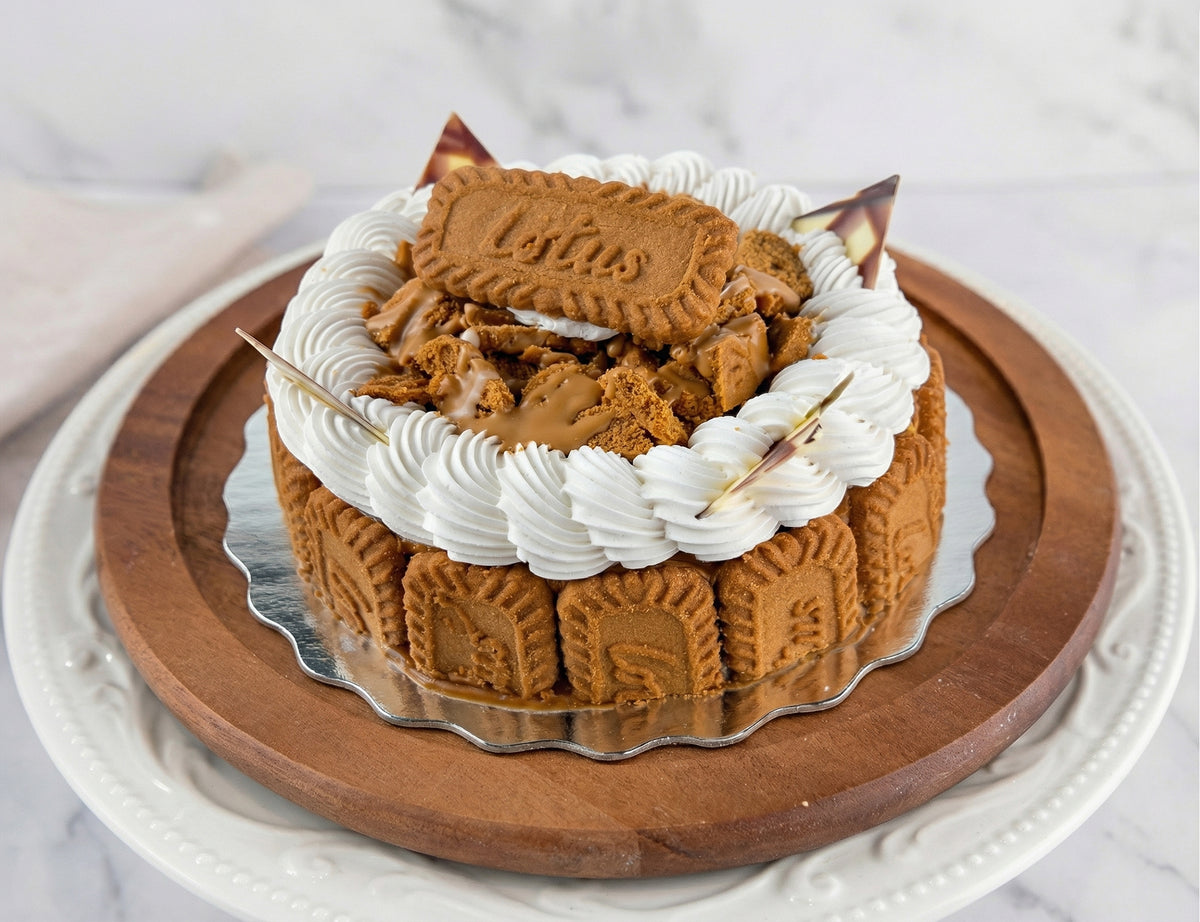
1. Analyzing the Multi-Tiered Lotus Biscoff Route-to-Market (RTM) Architecture
Lotus Bakeries operates a dual-track distribution strategy engineered to serve both high-volume commercial food service operators and retail grocery shoppers. The distribution pipeline for Lotus Biscoff operates across four primary structural layers:
[Origin Lotus Bakeries Plant (Lembeke, Belgium)]
                       │
                       ▼
   [Primary Export Packaging & Logistics Hub]
    (Single Wrapped, Roll Packs, Spread Jars/Tubs)
                       │
       ┌───────────────┴───────────────┐
       ▼                               ▼
[Direct HoReCa & Food Service]  [FMCG Import Consolidators]
 (Airlines, Hotel Chains, Cafes) (D&P Consumer Wholesale Network)
       │                               │
       ▼                               ▼
[Coffee Shops & Caterers]       [Supermarkets & Pharmacies]
- Primary Manufacturing Stage: Lotus Bakeries centralized plant in Lembeke, Belgium, bakes, flow-wraps, and packages master cases for international export.
- Master Import & Tier-1 Wholesale Stage: In international markets, master importers and authorized FMCG consolidators like D&P Consumer import full container loads (FCL) of Biscoff stock. They manage local port customs clearance, dry warehousing, and trade financing.
- Secondary Redistribution Stage: Tier-1 distributors supply regional food service wholesalers, cash-and-carry hubs, coffee shop suppliers, and airline caterers.
- Last-Mile Retail Execution: Product flows into supermarket aisles, coffee shop counters, hotel room amenity trays, airline snack carts, and dessert shop kitchens.
2. Food Service (HoReCa) vs. Retail Grocery Distribution Pathways
Lotus Biscoff Biscuits Distribute Channel operates two distinct commercial distribution channels tailored to specific end-user operational demands:
Food Service & Hospitality (HoReCa) Channel
The dedicated B2B division supplying commercial coffee chains, hotel groups, airline caterers, corporate canteens, and dessert parlors.
- Product Formats: Focused on 6.25g individually wrapped single biscuits (300s boxes) and 1.6kg–8.0kg Biscoff spread tubs.
- Distribution Setup: Food service distributors deliver master cases directly to commercial kitchens alongside coffee beans, dairy, and beverage supplies.
Retail Grocery Distribution Channel
The consumer-facing division supplying hypermarkets, supermarkets, pharmacy networks, and convenience stores.
- Product Formats: Focused on 125g/250g retail roll packs, 150g sandwich creams, and 400g glass spread jars.
- Distribution Setup: Centralized supermarket distribution centers (DCs) or direct store delivery routes.
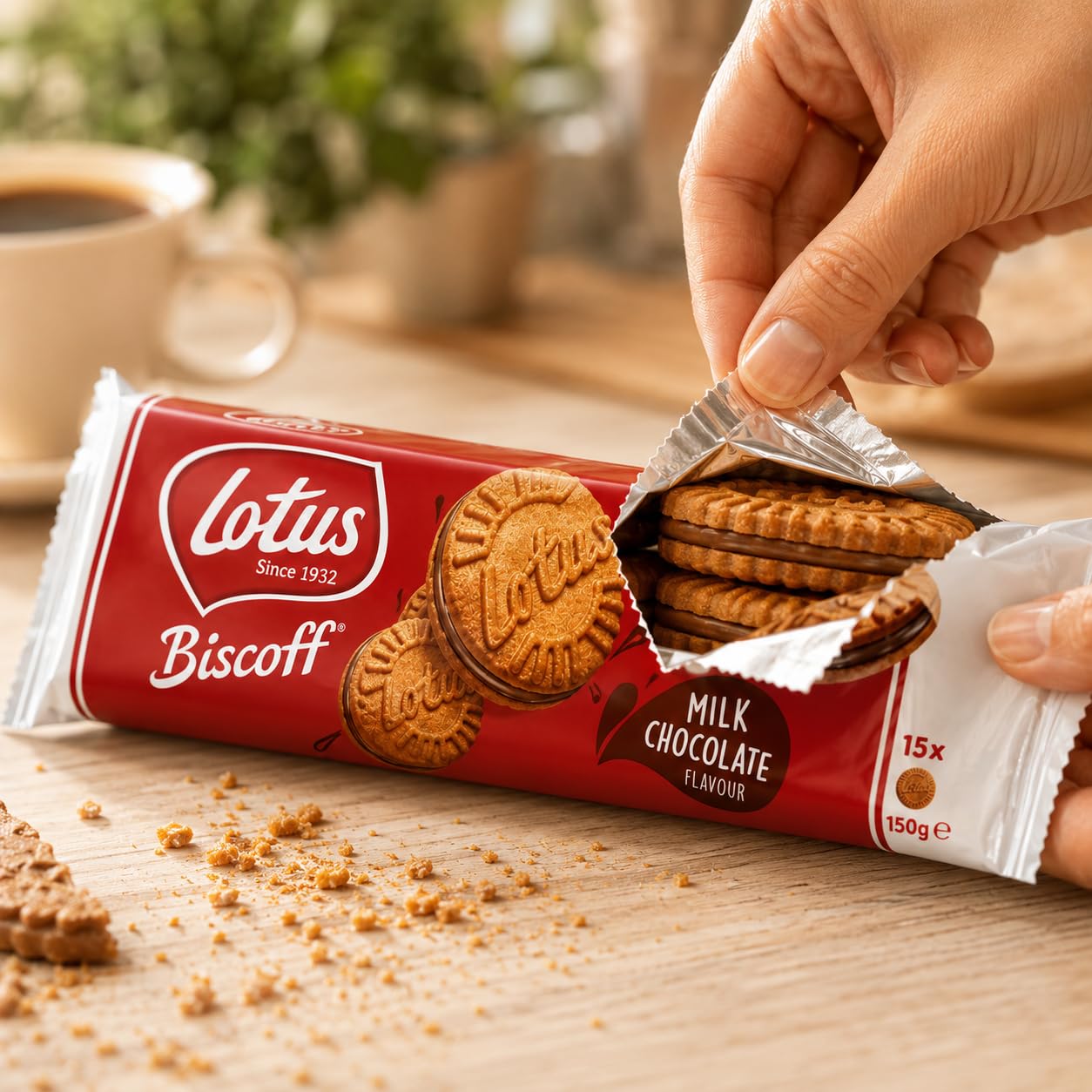
3. Retail and Catering Channel Matrix
Different customer segments demand tailored logistics setups, packaging formats, and delivery frequencies to maximize inventory turnover:
| Distribution Channel | Target Customer Base | Dominant Biscoff SKUs | Delivery Model | Relative Channel Gross Margin |
| HoReCa & Food Service | Cafes, Hotels, Airline Caterers | 6.25g Flow-Wrap Singles (300s) | Food Service Distributors | High Quality-Driven Margin |
| Modern Trade Retail | Hypermarkets & Supermarkets | 250g Roll Packs, 400g Spread Jars | Central Warehouse FTL / FCL | Standard Volume Margin |
| Industrial Bakery | Commercial Bakeries & Ice Cream | 8.0kg Spread Tubs, Crumb Bags | Direct Bulk Delivery | High Volume Commercial Margin |
| Convenience Stores | Gas Stations & Express Outlets | 125g Rolls, 150g Sandwich Creams | Direct Store Delivery (DSD) | High Unit Gross Margin |
4. Coffee Shop Synergies and Airline Food Service Capillary Networks
The global distribution velocity of Lotus Biscoff is intimately linked to international coffee culture and travel hospitality:
The “Coffee + Biscoff” Pairing Strategy
Commercial coffee chains leverage Biscoff single catering wraps as a complimentary luxury amenity served alongside espresso beverages. The caramelized flavor of Biscoff complements the bitter roasted notes of espresso, driving consumer brand affinity that converts directly into retail supermarket sales.
Airline Catering Integration
Major international airlines serve millions of single-wrapped Biscoff biscuits annually during in-flight beverage service. Airline catering contracts provide massive, predictable volume throughput for master importers.
5. Warehousing Controls, Moisture Management, and Inventory Velocity
Maintaining biscuit crispness and spread stability across global warehouse networks requires systematic physical handling and environmental controls:
Ambient Warehousing Humidity and Temperature Control
Because Lotus Biscoff biscuits contain less than 1.0% internal moisture, humidity control is critical:
- Relative Humidity Envelope: Warehouses must maintain Relative Humidity below 60% RH to prevent water vapor absorption if outer master cartons are damaged.
- Temperature Control: Ideal storage temperatures range between 15°C and 20°C (59°F to 68°F) in dry, dark warehousing environments. Storing Biscoff spread above 30°C causes natural vegetable oil separation.
FIFO Inventory Velocity and Batch Tracking
Automated Warehouse Management Systems (WMS) enforce strict First-In, First-Out (FIFO) picking rules based on Belgian manufacturing timestamps, ensuring older inventory is dispatched first to preserve maximum factory freshness (12 to 15-month shelf life) at the retail store or coffee shop counter.
Lotus Biscoff Distribution Network FAQ
Disclaimer: Unless otherwise stated, the images used in this article are the property of their respective owners. We do not claim ownership of any third-party images featured, and they are used here strictly for informational and educational purposes. If you are the copyright holder and wish to have an image removed, please contact us.



