
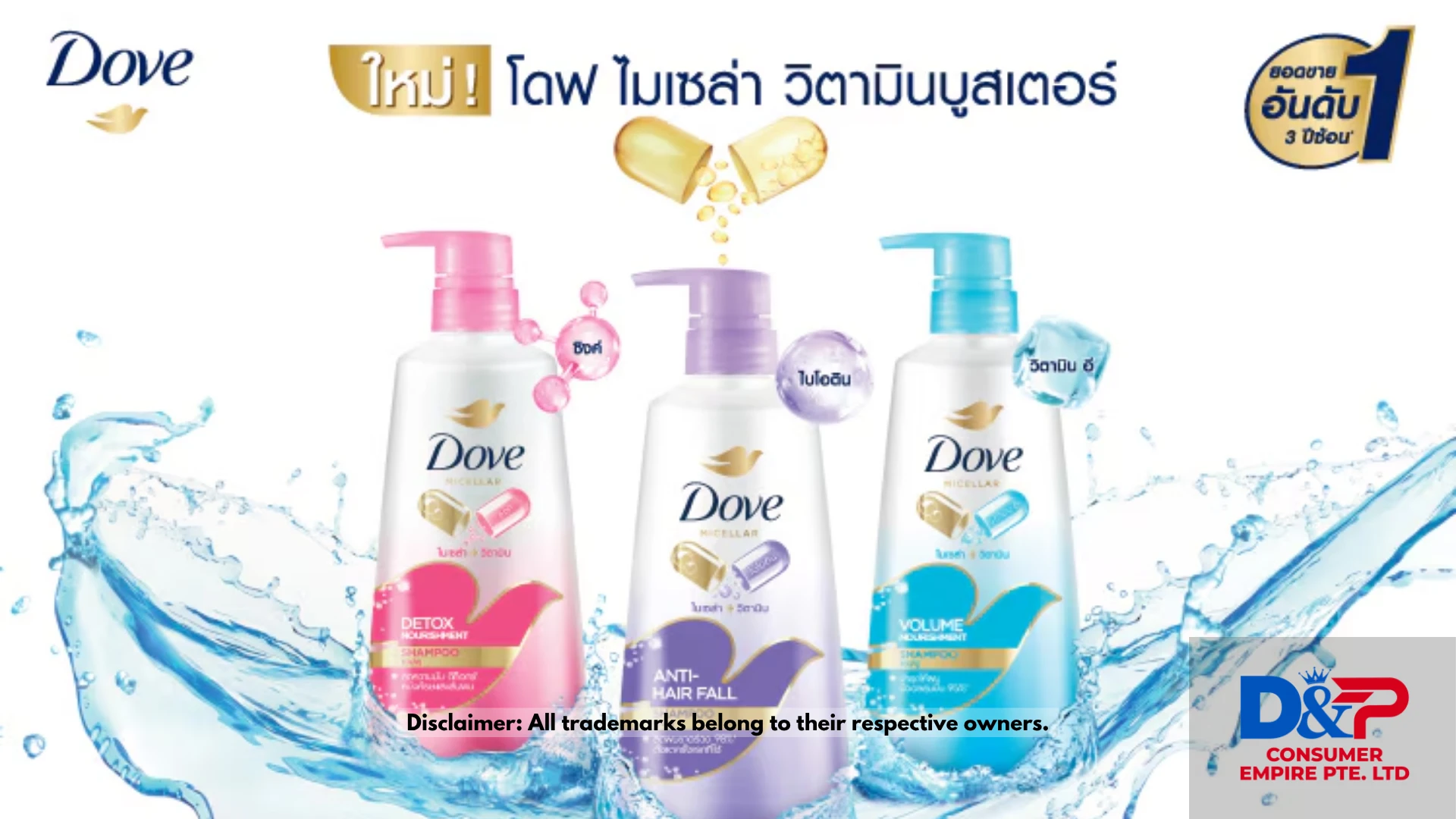

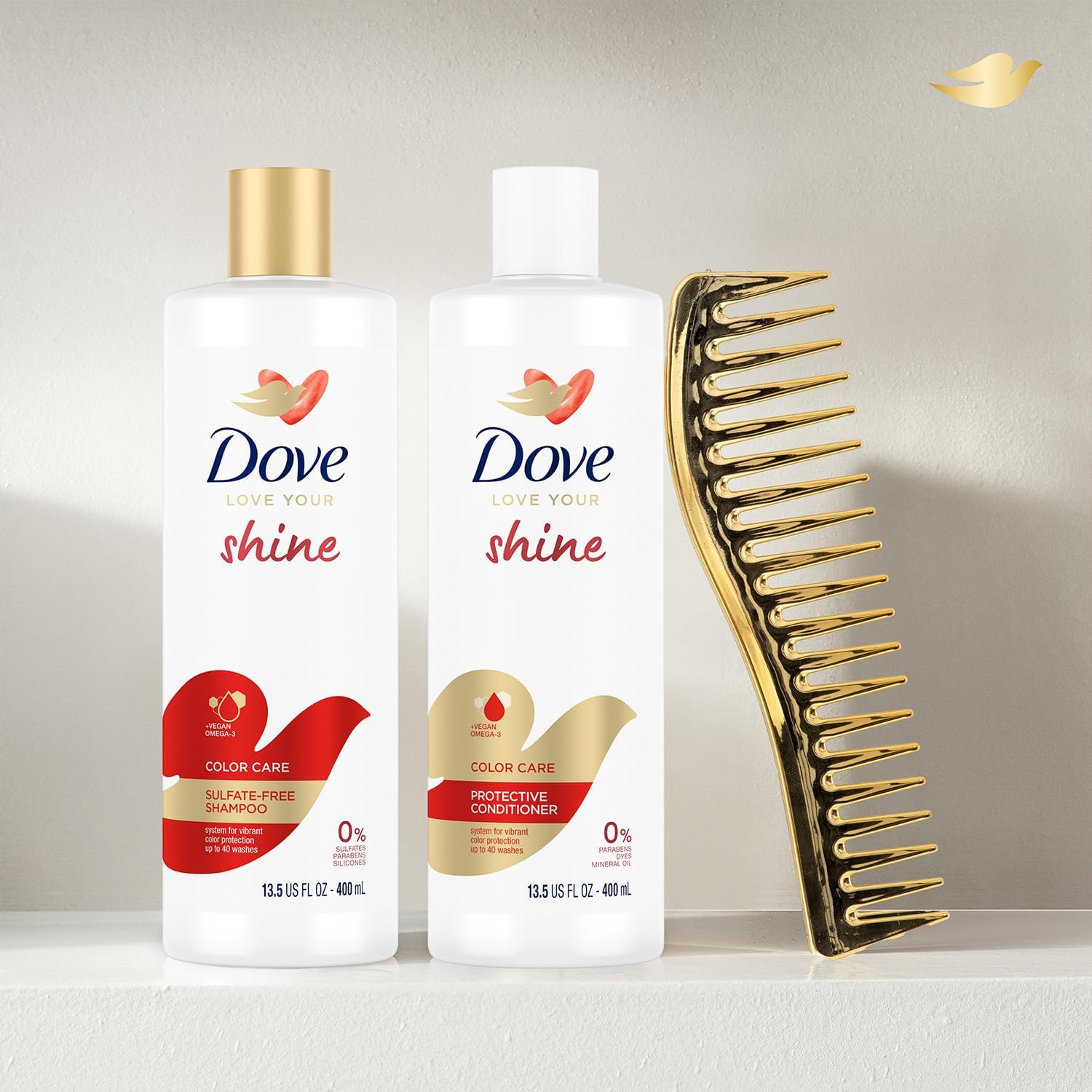
Tracing the exact Thai Dove Intense Repair Shampoo Sourcing Origin is a fundamental requirement for cosmetic importers, regulatory assurance directors, and international supply chain managers. Understanding exactly where the raw surfactants, silicones, and packaging are processed and bottled highlights why this iconic brand commands such a massive presence on the global export market. The unique combination of highly regulated Unilever corporate standards and advanced localized manufacturing in Thailand creates a highly cost-effective, premium supply chain.
For procurement executives managing bulk container shipments through wholesale networks, complete transparency regarding the origin of the chemicals and packaging is crucial for passing stringent customs regulations and securing consumer trust. This guide breaks down the chemical and industrial supply chain that fuels one of Asia’s most heavily exported premium personal care liquids.
Table of Contents
- The Industrial Core of Cosmetic Sourcing
- Manufacturing and Processing Facilities
- Tracing Ingredients: Surfactants, Polymers, and Plastics
- Why Origin Specifications Matter for Importers in Thai Dove Intense Repair Shampoo Sourcing Origin
- Conclusion
The Industrial Core of Cosmetic Sourcing
When evaluating the supply chain, the journey begins in massive, highly industrialized FMCG zones across Thailand. Unlike domestic boutique soap production, these facilities are explicitly engineered to function as massive regional export hubs to supply the entire Pacific rim, Middle East, and beyond flawlessly.
View FMCG Industrial Warehouse Reference on Wikimedia Commons
Licensed Corporate Manufacturing Hubs
The global brand owner (Unilever) operates massive, heavily audited corporate manufacturing conglomerates in the region (often centered around industrial estates like Minburi). These mega-facilities possess the massive capital infrastructure required to operate state-of-the-art chemical blending vats, plastic blow-molding lines, and high-speed automated bottling lines operating under strict global guidelines. By sourcing directly from these corporate mega-facilities via authorized consolidators, international importers guarantee that they are receiving authentic, globally standardized cosmetic products.
Manufacturing and Processing Facilities
The raw chemicals only form half the equation; the high-tech industrial processing and robotic bottling forms the critical second half of the journey.
View Automated Liquid Filling Lines Reference on Wikimedia Commons
High-Speed Blending and Bottling
The heart of production takes place in highly sanitized, fully automated manufacturing complexes near major global export ports like Laem Chabang. It is here that purified water and humectants are aggressively mixed with potent surfactants (like SLES), precise doses of conditioning silicones (Dimethicone), hydrolyzed keratin proteins, pearlescent agents, and premium fragrance extracts. The highly viscous, pearlized liquid is then instantly injected into locally manufactured HDPE plastic bottles, sealed, packaged into individual retail boxes or shrink-wrapped, and loaded into master cartons. These facilities are globally recognized for their stringent adherence to Good Manufacturing Practices (GMP) and ISO environmental standards.

Tracing Ingredients: Surfactants, Polymers, and Plastics
While the exact proprietary blending ratios are heavily guarded, the bulk ingredients that compose the cosmetic shampoo are sourced through a highly regulated global chemical supply chain.
| Ingredient Category | Primary Sourcing Region | Function in the Formulation |
| Surfactants (SLES/SLS) | Global Petrochemical / Palm Oil Networks | Provides the intense foaming, dirt-lifting, and gentle cleansing action. |
| Keratin & Silicones | Global Chemical & Biological Partners | Deposits onto the hair shaft to provide structural repair and intense smoothing. |
| Fragrance Oils | Global Specialized Chemical Labs | Acts as the sensory agent to provide long-lasting, premium scent. |
| HDPE Plastic Bottles | Advanced Asian Plastics Converters | Provides the leak-proof, highly durable vessel required for global export. |
View Export Ocean Logistics Reference on Wikimedia Commons
Why Origin Specifications Matter for Importers in Thai Dove Intense Repair Shampoo Sourcing Origin
For B2B buyers, understanding the Thai Dove Intense Repair Shampoo Sourcing Origin and logistical path is an absolute operational requirement for passing international border control and meeting cosmetic safety compliance in modern retail environments.
When clearing international customs, importers must provide verified Certificates of Origin (COO), ingredient safety data sheets (MSDS), and cosmetic declarations. Knowing that the product is manufactured in globally audited, GMP-certified facilities owned by Unilever entirely eliminates the risk of cargo confiscation due to unapproved chemical levels or bacterial contamination at the destination port, ensuring smooth inventory turnover. Furthermore, the Thai manufacturing origin is heavily trusted across Asia and the Middle East as a mark of superior FMCG quality and consistency.
Conclusion
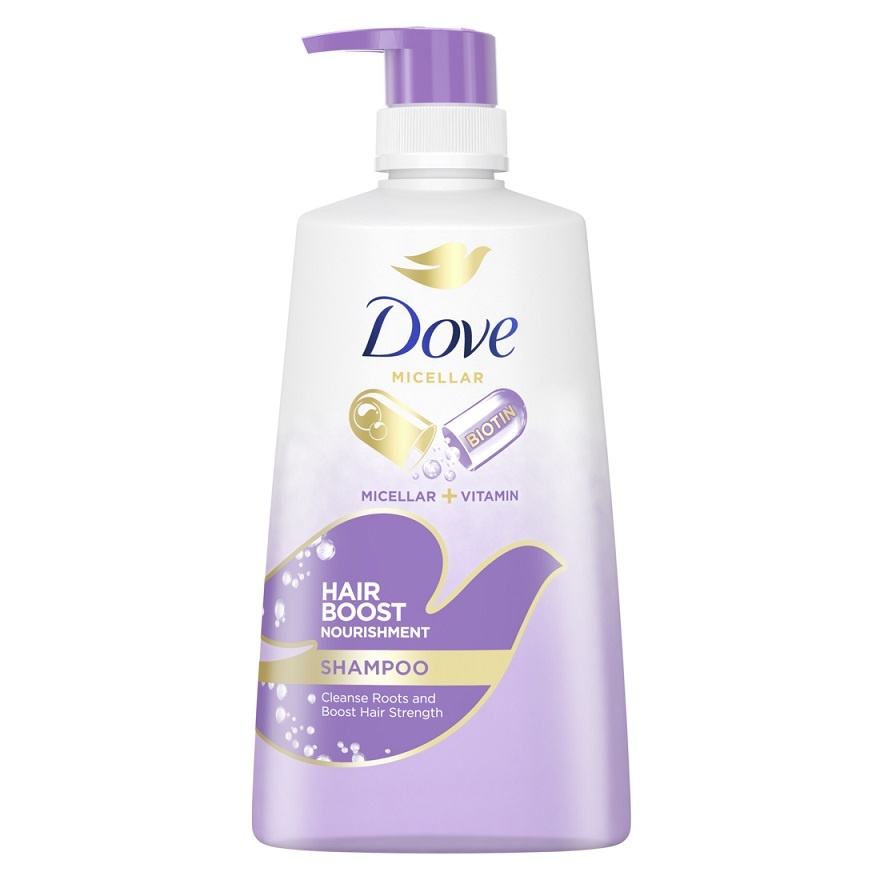
Total visibility into the origin of your FMCG cosmetic supply chain empowers distributors with absolute confidence in the quality, safety, and authenticity of their imported personal care inventory. By combining the proprietary therapeutic formulation with highly efficient Thai chemical blending and world-class packaging technology, the supply chain delivers a perfectly harmonized product built for global export. For international procurement teams aiming to leverage this highly lucrative supply chain, partner with an established FMCG export consolidator today to secure your bulk wholesale shipments.
Dove Sourcing Origin FAQ
Disclaimer: Unless otherwise stated, the images used in this article are the property of their respective owners. We do not claim ownership of any third-party images featured, and they are used here strictly for informational and educational purposes. If you are the copyright holder and wish to have an image removed, please contact us.



