
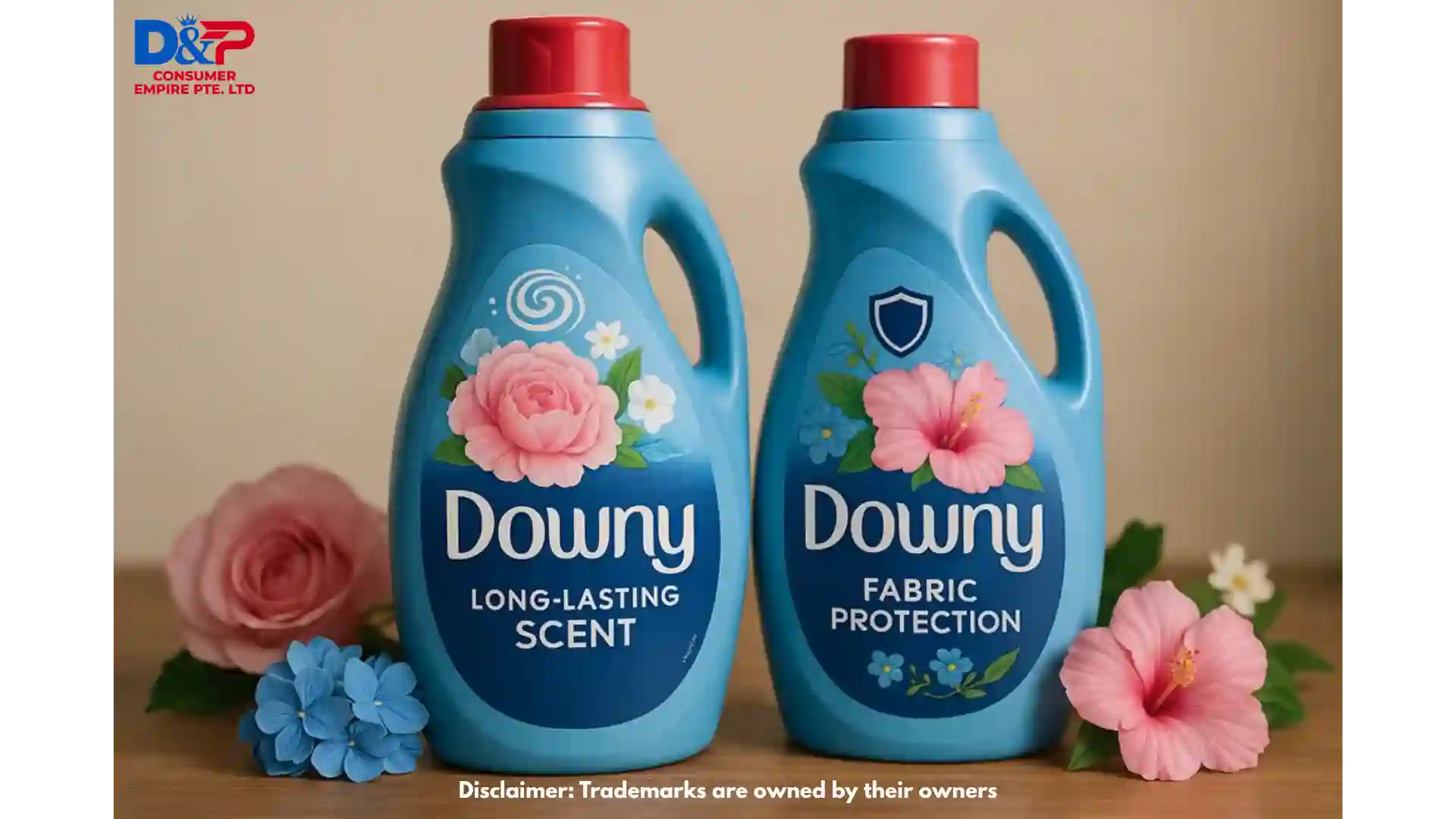

Analyzing the Downy Fabric Softener Distribute Channel network provides a comprehensive blueprint for how one of Procter & Gamble’s flagship home care brands achieves pervasive market presence across global territories. For FMCG sales directors, wholesale importers, logistics managers, and retail category directors at D&P Consumer, understanding Downy’s route-to-market (RTM) strategy reveals how multi-tiered distribution networks move high-velocity stock from production facilities in Southeast Asia, North America, and Latin America to urban hypermarkets, local grocery stores, and traditional neighborhood kiosks.
Optimizing these distribution channels enables procurement managers and distributors to reduce landed freight costs, manage inventory turnover, prevent stockouts, and maximize gross profit margins across diverse retail outlets.
Table of Contents
- Analyzing the Multi-Tiered Downy Route-to-Market (RTM) Architecture
- Direct Store Delivery (DSD) vs. Centralized Supermarket Warehouse Distribution
- Retail Channel Matrix: Modern Trade, Traditional Trade, and E-Commerce
- Traditional Trade Micro-Distribution and Sachet Capillary Networks
- Warehousing Controls, Viscosity Freeze-Thaw Physics, and Inventory Velocity
- Frequently Asked Questions (FAQ)
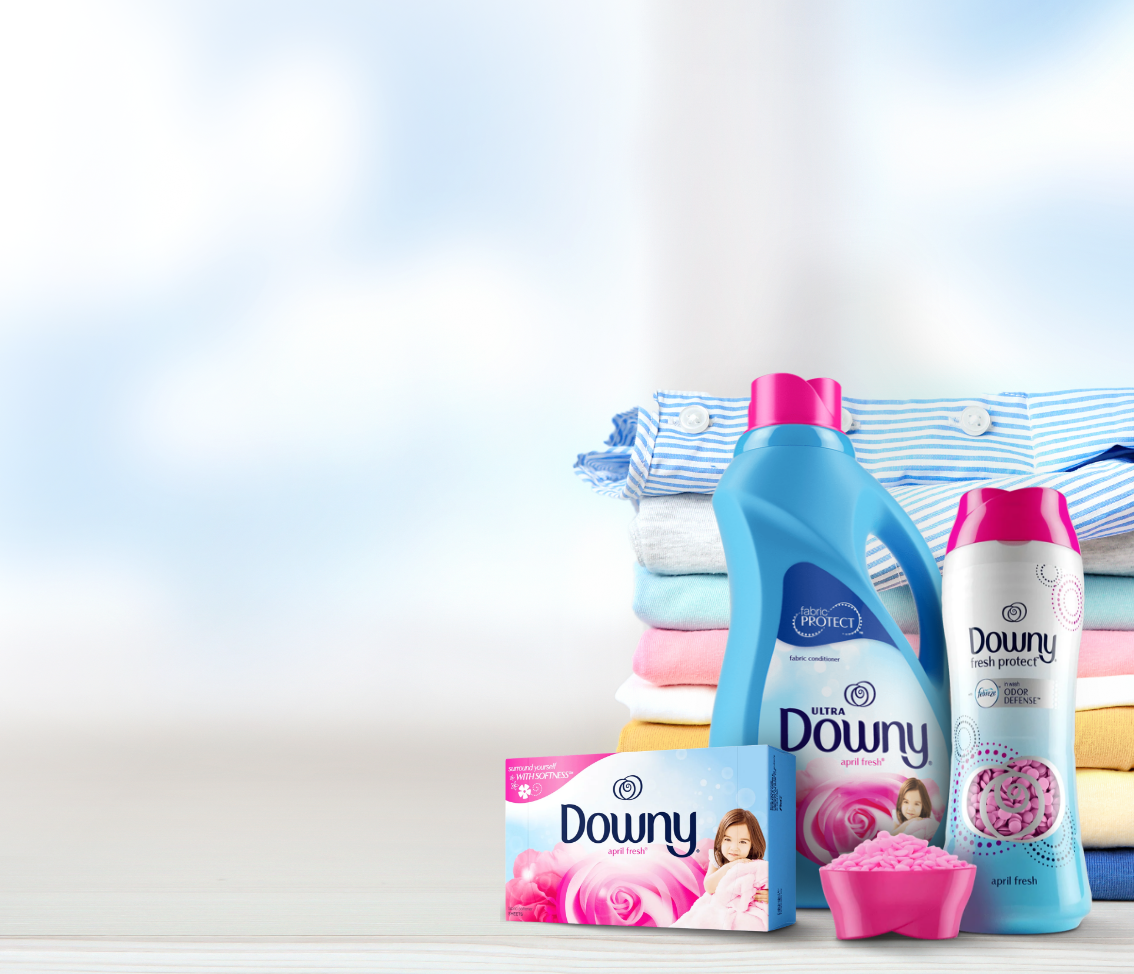
1. Analyzing the Multi-Tiered Downy Route-to-Market (RTM) Architecture
Procter & Gamble deploys a hybrid distribution model tailored to regional market infrastructure, consumer purchasing power, and retail maturity. The distribution pipeline for Downy fabric softener operates across four primary structural layers:
- Primary Manufacturing Stage: P&G fabric care manufacturing plants (such as P&G Indochina in Vietnam or P&G Thailand) produce, package, and palletize master cases for domestic dispatch or ocean export.
- Master Import & Tier-1 Wholesale Stage: In international markets, master importers and authorized FMCG distributors import full container loads (FCL) of Downy inventory. They manage local port customs clearance, warehousing, and trade financing.
- Secondary Redistribution Stage: Tier-1 distributors supply regional sub-wholesalers, cash-and-carry hubs, and van-sales distributors who service smaller geographic territories.
- Last-Mile Retail Execution: Product flows into hypermarket shelves, supermarket aisles, pharmacy chains, convenience store displays, local mom-and-pop kiosks, and e-commerce fulfillment centers.
2. Direct Store Delivery (DSD) vs. Centralized Supermarket Warehouse Distribution
To achieve optimal retail coverage, Downy distributors balance two main physical distribution channels:
Direct Store Delivery (DSD)
Under the DSD model, regional distributors operate dedicated delivery fleets (van-sales or small trucks) that transport Downy inventory directly from local warehouses to individual retail store shelves. Sales representatives manage shelf display setup, stock rotation according to First-In, First-Out (FIFO) standards, and point-of-sale (POS) promotional displays.
- Primary Advantage: Guarantees prime eye-level shelf placement, eliminates retail backroom storage gridlock, and ensures immaculate brand presentation in high-traffic convenience chains and grocery stores.
- Trade-Off: Incurs higher operational fleet expenses, fuel costs, and localized labor overhead.
Centralized Supermarket Warehouse Distribution
Under centralized warehouse distribution, full truckloads (FTL) or full container loads (FCL) of Downy fabric softener are shipped directly to the central distribution centers (DCs) of national hypermarket and supermarket chains (such as Walmart, Carrefour, or Lotus’s).
- Primary Advantage: Significantly lowers logistics distribution costs per unit, enabling bulk volume discounting and streamlined order processing for large enterprise retail chains.
- Trade-Off: Shifts store-level merchandising, shelf stocking, and local inventory handling responsibilities entirely to the retailer.
3. Retail Channel Matrix: Modern Trade, Traditional Trade, and E-Commerce
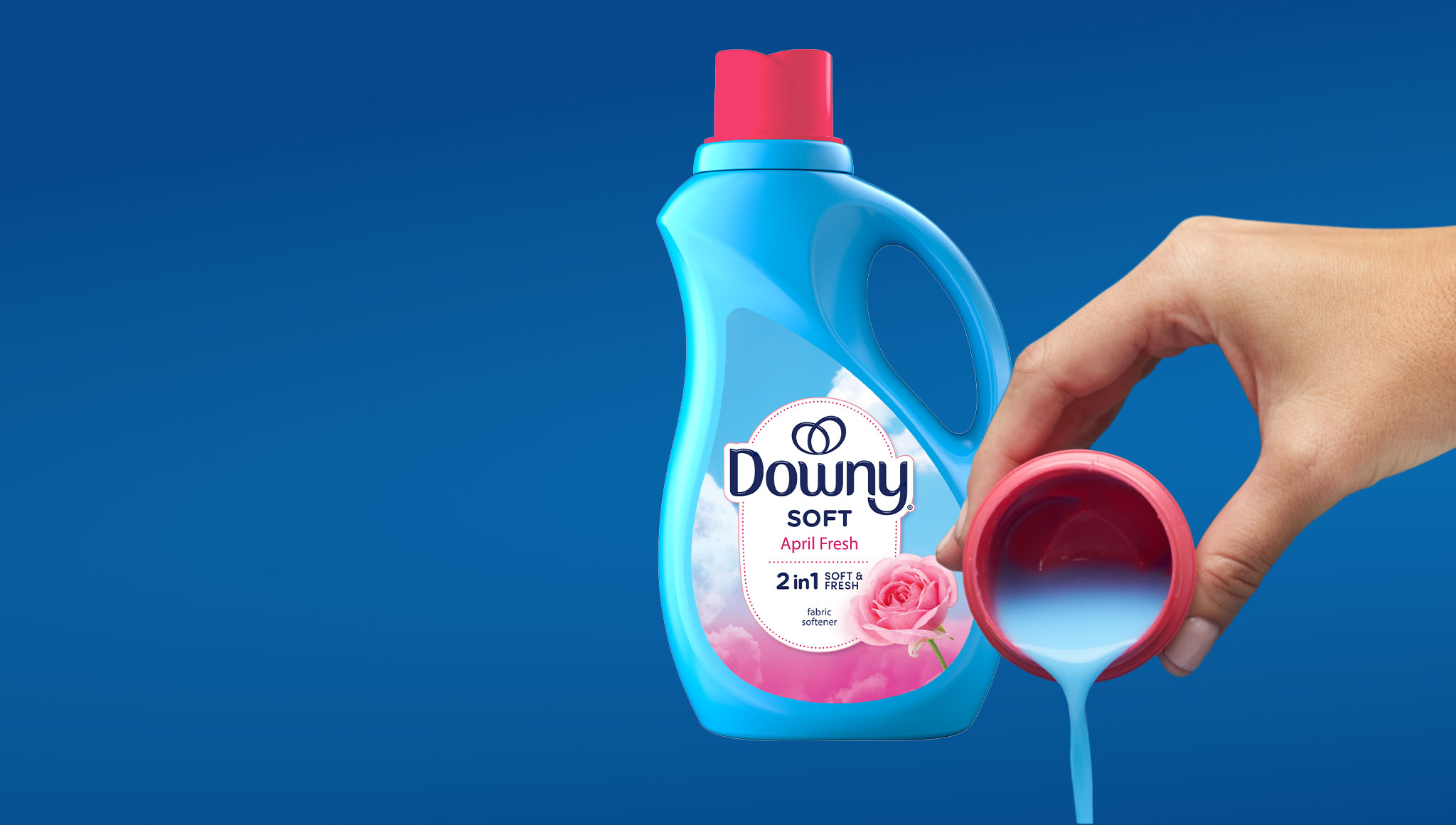
Different retail channels require tailored logistics setups, packaging formats, and delivery frequencies to maximize category sales performance:
| Retail Channel | Target Customer Base | Dominant Downy SKUs | Delivery Model | Relative Channel Gross Margin |
| Modern Trade | Hypermarkets & Supermarkets | 800ml Bottles, 1.8L Family Bottles | Central Warehouse FTL / FCL | Standard Volume Margins |
| Discount Grocery | Value Retailers & Clubs | 1.5L / 2.4L Refill Pouches | Central Warehouse Distribution | High Payload Volume Margin |
| Traditional Trade | Neighborhood Kiosks & Bazaars | 20ml – 40ml Sachet Hanging Strips | Sub-Wholesalers / Van-Sales | Moderate Volume Margins |
| Commercial Laundries | Hotel Cleaners & Laundromats | 4.0L / 5.0L Commercial Jugs | Specialized B2B Distributors | Premium Service Margins |
| E-Commerce DCs | Online Shoppers & Subscriptions | 2.4L Pouches, Unstopables Beads | Fulfillment Center Bulk Delivery | Lean Logistics Margin |
4. Traditional Trade Micro-Distribution and Sachet Capillary Networks
In emerging markets across Southeast Asia, South Asia, and Latin America, traditional trade (independent mom-and-pop stores, kiosks, and open-air market stalls) accounts for a massive share of total fast-moving consumer goods volume. Penetrating these highly fragmented markets requires a specialized capillary distribution model:
Capillary Sub-Wholesaler Networks
Master distributors partner with localized sub-wholesalers who operate in dense urban wholesale markets or rural commercial hubs. These sub-wholesalers break down master cases and sell mixed-brand cases to local shopkeepers.
Single-Use Refill Sachets (20ml to 40ml)
Single-use sachets sold in vertical hanging plastic strips (typically 12 to 24 sachets per strip) serve as the primary engine for traditional trade distribution:
- Affordability and Low Outlay: Allows low-income consumers to purchase daily premium fabric softener without committing to the higher cost of a full bottle.
- High Counter Density: Hanging sachet strips occupy zero floor or shelf space, hanging directly from kiosk ceilings or counter displays for maximum visual impulse impact.
- Low Inventory Risk for Retailers: Kiosk owners can purchase small sachet quantities daily from passing van-sales drivers, matching their working capital capacity.

5. Warehousing Controls, Viscosity Freeze-Thaw Physics, and Inventory Velocity
Maintaining liquid fabric care quality across global warehouse networks requires systematic physical handling and environmental monitoring:
Ambient Warehousing Temperature Envelope and Viscosity Control
Liquid fabric softeners are sensitive to extreme temperature shifts. Warehouses must maintain ambient temperatures between 15°C and 25°C (59°F to 77°F) in dry, sheltered conditions.
- Thermal Heat Protection: Storage temperatures exceeding 45°C (113°F) for extended periods can cause fragrance degradation, minor color shifts, or viscosity thinning.
- Freeze-Thaw Physics: Exposure to temperatures below 0°C (32°F) causes cationic surfactant dispersions to freeze and break. Upon thawing, the liquid transforms into an irreversible, thick, non-pourable gel. Storing warehouses above 10°C maintains smooth pouring viscosity.
FIFO Inventory Velocity and Batch Tracking
Automated Warehouse Management Systems (WMS) enforce strict First-In, First-Out (FIFO) picking rules based on manufacturing timestamps. Every master case features laser-printed batch codes and manufacturing dates, ensuring that older inventory is dispatched first to preserve maximum factory freshness (18 to 24-month shelf life) at the retail store.
Downy Distribution Channels FAQ
Disclaimer: Unless otherwise stated, the images used in this article are the property of their respective owners. We do not claim ownership of any third-party images featured, and they are used here strictly for informational and educational purposes. If you are the copyright holder and wish to have an image removed, please contact us.



