

Understanding the Kit Kat Origin is not merely a historical exercise; it’s a critical investigation into the foundational supply chain principles that continue to govern global confectionery procurement. For B2B procurement managers, the legacy of stringent ingredient selection, manufacturing precision, and consistent quality, established from Kit Kat’s inception, offers invaluable insights into managing today’s complex food commodity networks.
At D-P Consumer, our expertise in agricultural commodities and international trade aligns perfectly with these historical imperatives, ensuring that the integrity of products, from their origin to global distribution, remains uncompromised. As a strategic partner in B2B export and international trade, we leverage deep analytical capabilities to navigate the intricate logistics and quality controls essential for a robust Kit Kat wholesale global distribution network.
The meticulous sourcing of cocoa, sugar, and dairy, coupled with advanced wafer technology, has always been paramount to Kit Kat’s distinctive profile. This article dissects the technical journey from its initial formulation by Rowntree’s to its current status under Nestlé, highlighting the evolution of quality control paradigms, sustainability mandates, and the logistical challenges inherent in maintaining a global brand’s consistency. We will examine how an understanding of its origin can inform contemporary strategies for supply chain resilience and ethical sourcing in the confectionery sector.
Table of Contents
- Unpacking the Kit Kat Origin: A Deep Dive into Early Sourcing and Formulation
- Technical Foundations of Kit Kat: Ingredient Purity and Supply Chain Integrity from its Origin
- Evolution of Kit Kat Production: Scaling Quality Beyond its Origin Point
- Precision in Procurement: Global Quality Control Paradigms for Kit Kat
- Sustainable Sourcing and Ethical Supply Chains: Modern Kit Kat Imperatives
- Navigating International Trade: D-P Consumer’s Role in Confectionery Distribution
- Conclusion: Strategic Procurement in the Global Kit Kat Market
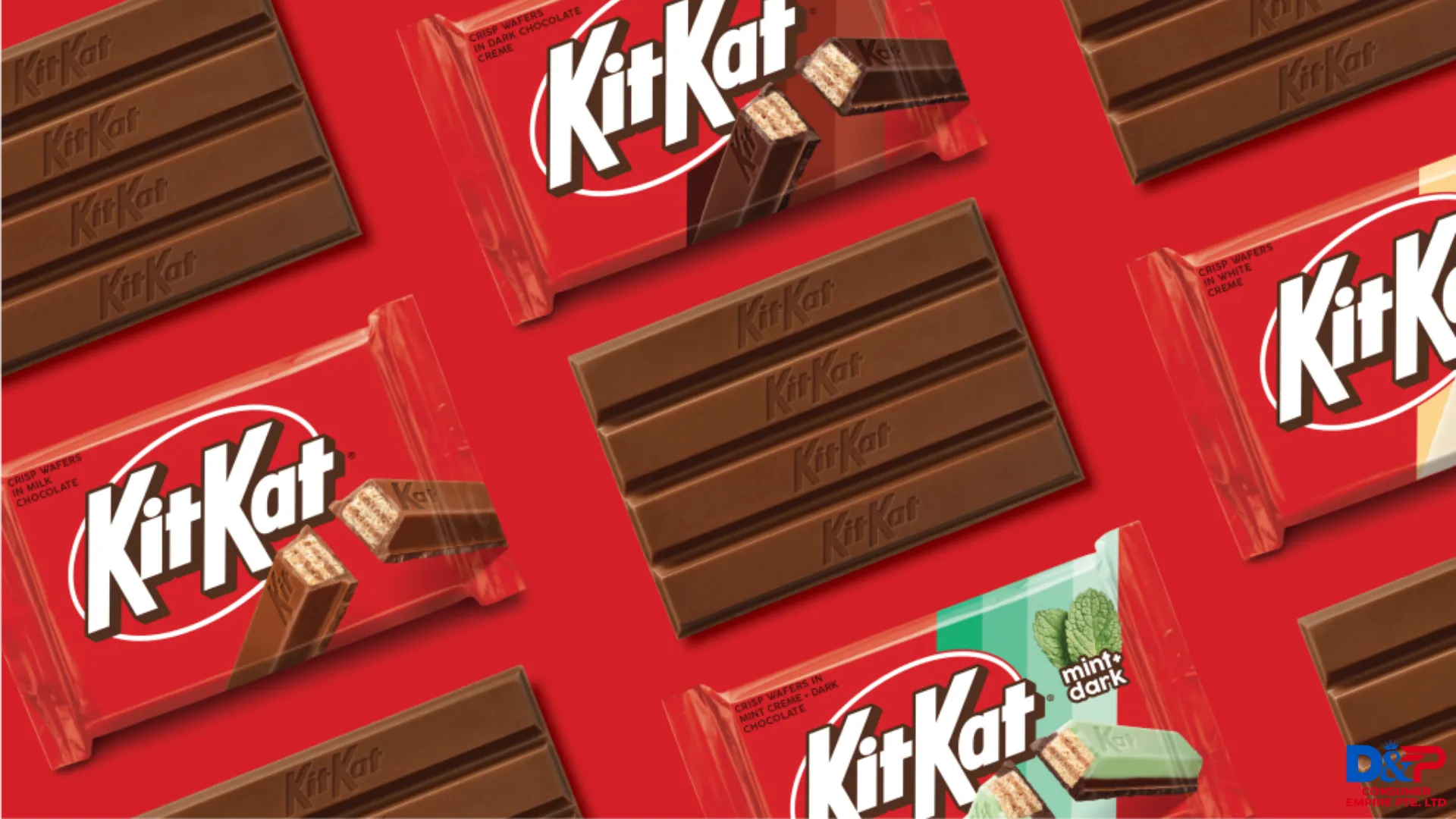
Unpacking the Kit Kat Origin: A Deep Dive into Early Sourcing and Formulation
The genesis of Kit Kat, initially known as Rowntree’s Chocolate Crisp, traces back to 1935 in York, England. Its distinct four-finger design, conceived after a factory worker suggested a chocolate bar suitable for a packed lunch, necessitated a precise and consistent manufacturing process from its inception. The original formulation was a strategic blend of chocolate and crisp wafer, requiring specific quality parameters for each component.
From the outset, Rowntree’s established rigorous standards for cocoa bean selection, sugar purity, and dairy solids – parameters that formed the bedrock of its enduring success. This early focus on the intrinsic quality of raw materials underscores a foundational principle in B2B procurement: the finished product’s integrity is directly proportional to the stringency of its ingredient sourcing.
Understanding this historical context provides crucial insights for modern procurement managers. The challenges Rowntree’s faced in ensuring consistent supply and quality from diverse agricultural sources, though different in scale, parallel contemporary issues of traceability, sustainability, and geopolitical stability impacting global commodity markets. The initial success of Kit Kat was not just a triumph of marketing but a testament to a robust supply chain that could consistently deliver the specified technical attributes of its ingredients.
Technical Foundations of Kit Kat: Ingredient Purity and Supply Chain Integrity from its Origin
The core components of Kit Kat – cocoa mass, cocoa butter, sugar, milk solids, and wheat flour for the wafer – each carry a set of critical technical specifications that have been refined since the product’s origin. The selection of cocoa beans, for instance, has always been pivotal. Early formulations would have likely relied on West African cocoa, known for its robust, classic chocolate flavor profile. Ensuring consistent fat content, moisture levels, and absence of defects in cocoa beans directly impacts the final chocolate’s texture, melting properties, and flavor. Similarly, sugar, primarily sucrose, needed to meet strict purity standards to avoid unwanted crystallization or flavor alteration.

Cocoa Sourcing: The Bedrock of Flavor from Kit Kat’s Origin
The distinct chocolate flavor of Kit Kat is intrinsically linked to the quality and processing of its cocoa. Historically, Rowntree’s would have procured cocoa beans that yielded a consistent, mild chocolate profile. Modern procurement, building on this foundation, demands not only specific flavor precursors but also adherence to strict microbiological limits, heavy metal screening, and mycotoxin testing. These technical parameters ensure both food safety and brand consistency across diverse production sites. D-P Consumer specializes in sourcing agricultural commodities with verified specifications, addressing the rigorous demands for confectionery-grade cocoa and other ingredients.
Wafer Technology and Sensory Attributes
The crisp, airy wafer layers are as iconic as the chocolate coating. The engineering of this wafer requires precise control over wheat flour protein content, dough rheology, and baking parameters to achieve the desired texture and structural integrity. Early production would have focused on mechanical consistency, while modern processes leverage advanced analytical tools to ensure wafer density, crispness, and moisture content are within tight tolerances, crucial for the ‘snap’ quality Kit Kat is known for. This attention to detail from the earliest stages of the product’s development showcases an uncompromising commitment to technical specification.
Evolution of Kit Kat Production: Scaling Quality Beyond its Origin Point
When Nestlé acquired Rowntree’s in 1988, the global scale of Kit Kat production expanded dramatically, necessitating the adoption of universally stringent quality control and supply chain management systems. This marked a significant evolution from the original, regionally focused production. Nestlé implemented global standards based on frameworks like ISO 9001 for quality management, HACCP (Hazard Analysis and Critical Control Points) for food safety, and later, sustainable sourcing certifications such as Rainforest Alliance and Fairtrade. These certifications are not merely labels; they represent a technical commitment to supply chain transparency, risk mitigation, and ethical practices – elements critical for any B2B procurement manager navigating the complex landscape of international food trade.

Standardization and Process Optimization
Global expansion meant standardizing production processes and ingredient specifications across multiple continents. This involved detailed technical documentation for raw material intake, in-process quality checks, and finished product analysis. For instance, the cocoa bean specifications table below illustrates the type of detailed criteria that must be met by suppliers to ensure consistency regardless of the bean’s origin. This level of technical oversight is essential for maintaining brand integrity and consumer trust across diverse markets, making the Kit Kat wholesale global distribution network a complex yet highly controlled operation.
| Parameter | Specification Range | Test Method | Relevance for Confectionery |
|---|---|---|---|
| Moisture Content | Max 7.5% | ISO 6496 | Prevents mold growth, impacts shelf life |
| Fat Content (Cocoa Butter) | 50-58% | ISO 17260 | Affects chocolate viscosity, melt, texture |
| pH Level | 5.0-6.0 | ISO 3073 | Influences flavor development and acidity |
| Bean Count (per 100g) | 90-110 beans | Visual/Weight | Indicates bean size consistency |
| Shell Content | Max 1.5% | ISO 2451 | Impacts flavor, texture, and processing efficiency |
| Defective Beans (Moldy, Insect Damaged) | Max 3% total | Visual Inspection | Crucial for food safety and flavor integrity |
| Heavy Metals (Cd, Pb) | Below regulatory limits | ICP-MS | Food safety compliance, public health |
| Mycotoxins (Aflatoxin) | Below regulatory limits | HPLC-FLD | Food safety compliance, public health |
Regional Variations and Ingredient Adaptations
While global standards are paramount, some regional variations in Kit Kat’s formulation exist, often due to local ingredient availability or consumer preferences. For example, specific types of milk powder or sugar might be sourced regionally, but they must still conform to Nestlé’s stringent technical specifications. This adaptability, managed within a tightly controlled framework, showcases a sophisticated approach to global supply chain management – balancing local sourcing advantages with universal quality mandates. Such strategies are fundamental to D-P Consumer’s approach to B2B sourcing, where we ensure localized solutions meet international standards.
Precision in Procurement: Global Quality Control Paradigms for Kit Kat
Quality control for Kit Kat, from its origin, has evolved into a multi-layered, highly technical discipline. For B2B procurement managers, understanding these paradigms is crucial for identifying reliable suppliers and ensuring product integrity throughout the supply chain. Key areas of focus include:
Traceability and Batch Integrity
Modern quality control systems demand end-to-end traceability, from the cocoa farm or sugar plantation to the final packaged Kit Kat. This means every batch of raw material is meticulously documented, allowing for rapid identification and recall in case of quality deviations. D-P Consumer implements robust traceability protocols for all agricultural commodities, providing B2B buyers with confidence in the origin and journey of their ingredients.
Analytical Testing and Compliance
Beyond visual inspections, sophisticated analytical testing is routine. This includes gas chromatography for volatile compounds in flavorings, spectroscopy for ingredient purity, and microbiology labs for pathogen detection. Adherence to international food safety regulations (e.g., FDA, EFSA) and certifications like GlobalGAP, ISO 22000, and HACCP is non-negotiable. These technical standards are essential guarantees for B2B transactions, providing objective evidence of quality and safety.
Sustainable Sourcing and Ethical Supply Chains: Modern Kit Kat Imperatives
The narrative of Kit Kat Origin today extends beyond its historical beginnings to encompass the sustainability and ethical considerations of its supply chain. For B2B procurement, this translates into a demand for transparency, responsible labor practices, and environmental stewardship throughout the entire ingredient lifecycle. Brands like Kit Kat (Nestlé) are increasingly committed to sourcing certified cocoa (e.g., Rainforest Alliance, Fairtrade), which involves working with farmers to improve agricultural practices, conserve biodiversity, and ensure fair wages.
D-P Consumer shares this commitment, prioritizing partners who adhere to internationally recognized sustainability standards. Our agricultural commodity sourcing is designed to provide B2B clients with ingredients that not only meet stringent technical specifications but also contribute to a resilient and ethical global food system. This holistic approach to procurement minimizes supply chain risks and aligns with corporate social responsibility objectives.
Navigating International Trade: D-P Consumer’s Role in Confectionery Distribution
The journey of Kit Kat from its origin in York to becoming a global icon highlights the complexities of international trade and distribution. For B2B clients, especially those involved in wholesale confectionery, navigating customs, tariffs, and diverse logistical challenges requires specialized expertise. D-P Consumer excels in providing comprehensive solutions for the global distribution of agricultural commodities and finished food products.
Our understanding of global trade regulations, cold chain logistics, and strategic warehousing ensures that confectionery items like Kit Kat maintain their quality and integrity from factory to market. We act as a critical link, connecting producers with B2B buyers worldwide, simplifying the procurement process, and ensuring timely, cost-effective delivery. This strategic partnership is vital for businesses looking to expand their reach or secure consistent supply within the dynamic global confectionery market, leveraging our robust Kit Kat wholesale global distribution network capabilities.
Conclusion: Strategic Procurement in the Global Kit Kat Market
The exploration of Kit Kat Origin reveals a profound legacy of technical precision, rigorous quality control, and an evolving commitment to supply chain integrity. From Rowntree’s initial stringent ingredient selection to Nestlé’s global standardization and sustainable sourcing initiatives, the operational complexities for B2B procurement managers have only intensified.
The foundational principles of quality, consistency, and ethical sourcing, however, remain constant. D-P Consumer understands these imperatives deeply, offering specialized expertise in agricultural commodity sourcing, global distribution, and intricate supply chain management. For B2B procurement managers seeking reliable, high-volume confectionery solutions, D-P Consumer stands as your strategic partner. Explore our extensive capabilities and secure your supply chain advantage by contacting our trade specialists today. Learn more about our comprehensive Kit Kat wholesale and global distribution network.



