
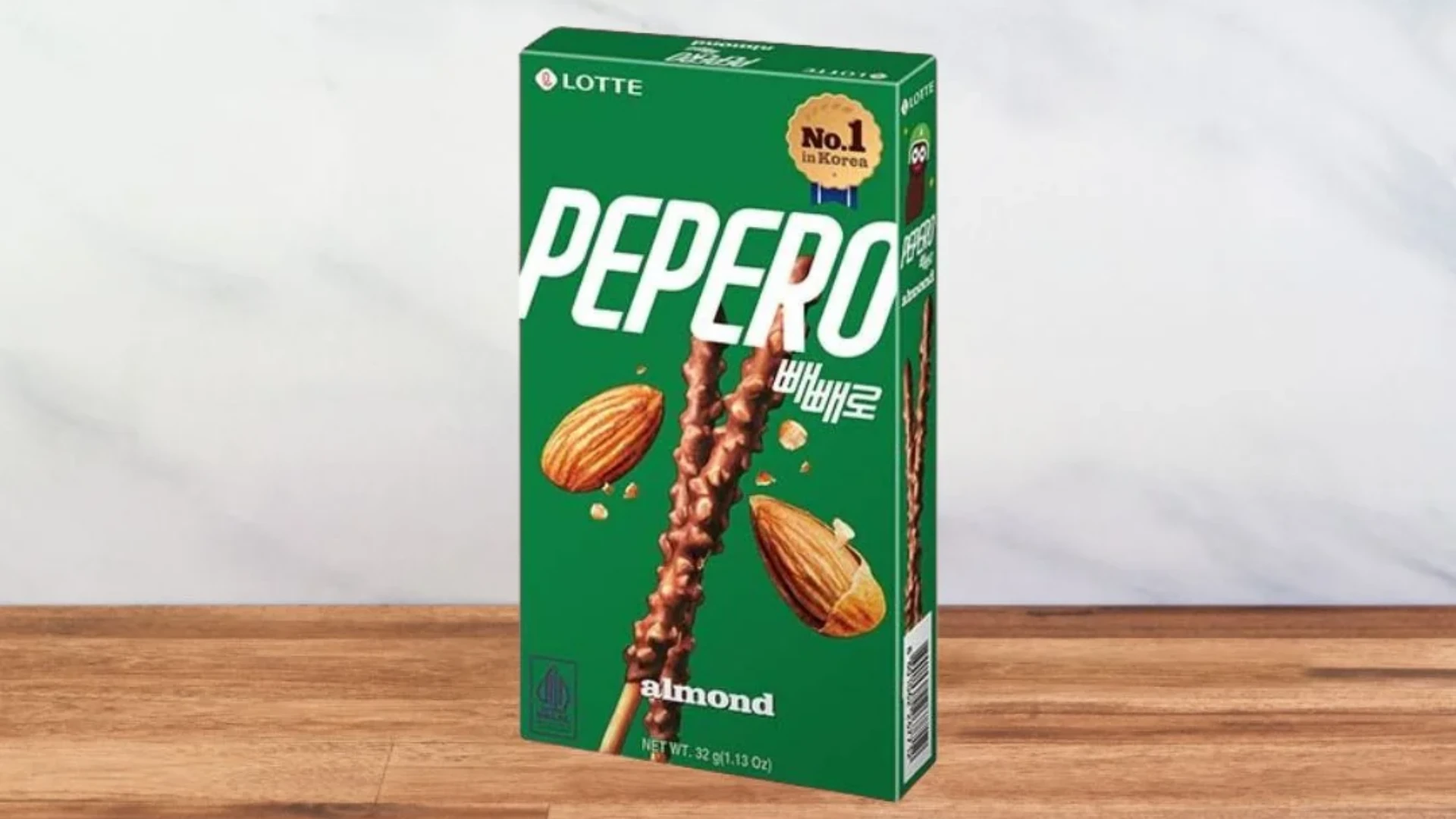

Mastering the Korean Lotte Pepero Biscuit Sticks Distribute Channel is an essential strategic requirement for FMCG importers, national supply chain directors, and B2B wholesale buyers aiming to maximize retail velocity and secure dominant market share in the global snacking sector. Because Pepero serves as both an everyday impulse purchase and a massive seasonal gifting commodity (specifically tied to “Pepero Day” in November), effectively routing this product through the correct retail formats dictates the ultimate profitability of your ocean freight investments.
For global procurement teams actively managing full container loads (FCL) of South Korean FMCG goods, understanding exactly how to segment Pepero across hypermarkets, convenience store chains, and emerging e-commerce networks is the difference between sluggish inventory turnover and high-margin, rapid liquidation. This technical guide outlines the optimal distribution architecture to ensure maximum market penetration for Lotte’s flagship confectionery brand.
Table of Contents
- The Strategic Role of B2B FMCG Distribution
- Hypermarkets and Big Box Grocery
- Convenience Stores and High-Impulse Retail
- Mastering the Korean Lotte Pepero Biscuit Sticks Distribute Channel
- E-commerce and Alternative Wholesale Networks
- Conclusion

The Strategic Role of B2B FMCG Distribution
In the global food and beverage sector, securing the right product is only half the battle; injecting it into the correct retail environment is where gross margins are realized. The South Korean export sector excels at providing highly standardized, beautifully packaged goods that require virtually no repackaging by the importer.
View FMCG Retail Distribution Reference on Wikimedia Commons
However, Lotte Pepero occupies a unique dual-space in retail: it is simultaneously an ultra-cheap, single-serve impulse snack and a premium, multi-pack seasonal gift. Consequently, the distribution channel strategy must be bifurcated to serve massive volume-driven wholesale clubs while simultaneously stocking thousands of small-format, high-traffic kiosks.
Hypermarkets and Big Box Grocery
The backbone of high-volume FMCG liquidation lies in the hypermarket and massive grocery networks (e.g., Walmart, Carrefour, Costco).
When importing 40ft Reefer containers of Pepero, the hypermarket channel is designed to absorb massive quantities of stock rapidly. In this environment, single 47g boxes are often secondary to multi-pack trays (like the 8-pack variants) and seasonal novelty “Big Boxes.” Hypermarkets utilize their massive floor space to construct dedicated “K-Food” aisles or massive standalone pallet displays. By routing stock to these big-box retailers, distributors achieve massive volume depletion, which minimizes warehouse holding costs and protects the shelf-life integrity of the chocolate.

Convenience Stores and High-Impulse Retail
While hypermarkets move bulk volume, convenience stores (C-Stores), pharmacies, and petrol station kiosks drive the highest profit margins through extreme impulse-purchase behavior.
View Convenience Store Snack Aisle Reference on Wikimedia Commons
Pepero is the ultimate Point of Sale (POS) product. In the C-Store distribution channel, real estate is hyper-competitive. Here, the focus is entirely on the standard 32g to 47g single boxes (Original, Almond, White Cookie). Distributors must supply retail networks with mixed-flavor master cartons that allow store managers to instantly stock checkout-counter displays. The sleek, vertical box design is engineered specifically for these tight retail spaces, maximizing visibility for consumers paying for gas or grabbing a quick lunch, thereby driving relentless, daily inventory turnover.
Mastering the Korean Lotte Pepero Biscuit Sticks Distribute Channel
To properly execute a national distribution strategy, import managers must structure their logistics to accommodate the intense seasonality of the product.
The “Pepero Day” Phenomenon
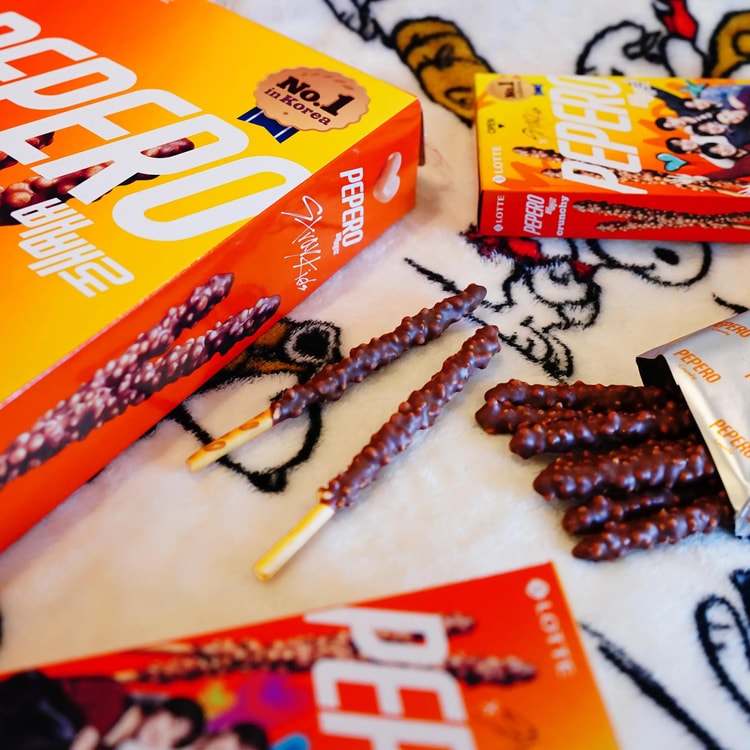
The most critical element of the Korean Lotte Pepero Biscuit Sticks Distribute Channel is managing Q4 logistics. November 11th (11/11, symbolizing four Pepero sticks) is a massive cultural phenomenon in South Korea and increasingly across the Asian diaspora globally, where people exchange the biscuit sticks as gifts. Distributors must route massive allocations of novelty boxes, gift packs, and standard SKUs into all retail channels by mid-October. Missing this distribution window results in severe overstock, while executing it perfectly guarantees the liquidation of multiple ocean containers in a matter of weeks.
E-commerce and Alternative Wholesale Networks
As traditional brick-and-mortar retail evolves, the digital distribution channel has become an unavoidable pillar of B2B FMCG strategy.
View E-commerce Logistics Center Reference on Wikimedia Commons
Routing Pepero through major e-commerce fulfillment centers (like Amazon FBA or regional equivalents like Shopee/Lazada) requires specific logistical prep. E-commerce platforms typically demand multi-pack bundles (as single $2 boxes are not economical to ship individually). Distributors must ensure that master cartons are routed to climate-controlled fulfillment centers (to prevent the chocolate from melting in standard dry-warehouses) and bundle the product into “Variety Packs” (e.g., 3 Original, 3 Almond, 3 White Cookie). This channel captures the massive K-culture enthusiast demographic that actively searches for Korean snacks online.
Conclusion
Executing a highly profitable international FMCG strategy requires far more than just securing competitive FOB pricing; it requires flawless execution across diverse retail environments. By deeply understanding the distinct velocity requirements of massive hypermarkets, high-impulse convenience stores, and the cultural seasonality of e-commerce, B2B distributors can aggressively push Lotte Pepero inventory through the market. Mastering this multi-tiered distribution architecture ensures rapid stock liquidation, protects product integrity, and ultimately secures dominant market share in the global snacking sector.
Pepero Distribution Channel FAQ
Disclaimer: Unless otherwise stated, the images used in this article are the property of their respective owners. We do not claim ownership of any third-party images featured, and they are used here strictly for informational and educational purposes. If you are the copyright holder and wish to have an image removed, please contact us.



