
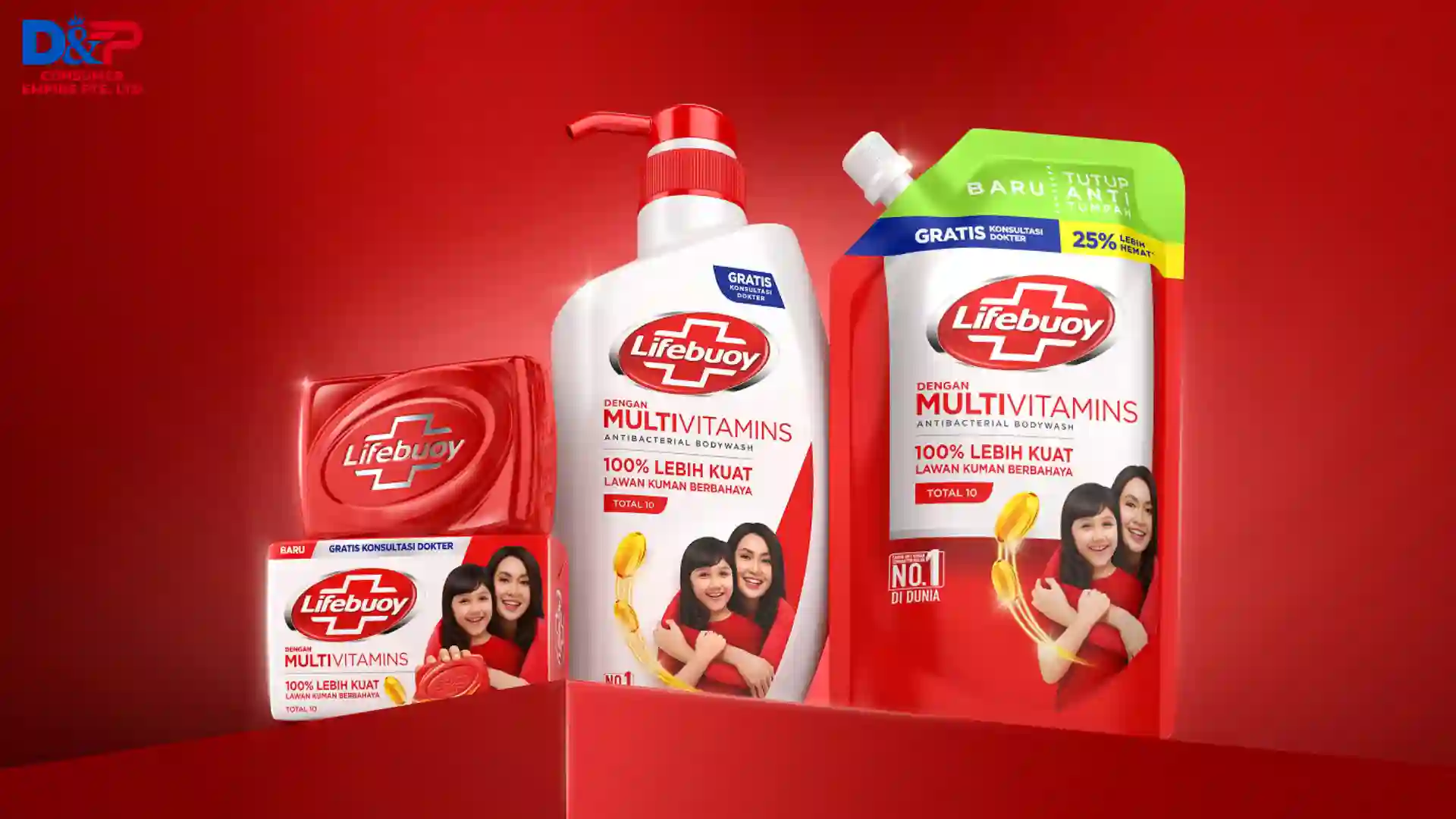

Evaluating Lifebuoy Body Wash Facts provides critical technical data for B2B personal care buyers, cosmetic chemists, retail category managers, and healthcare procurement officers. Understanding the antibacterial chemistry, skin-cleansing mechanics, surfactant systems, and safety metrics of Lifebuoy body wash is essential when evaluating product performance and regulatory compliance for international distribution.
Lifebuoy represents one of the world’s most scientifically tested hygiene brands. Its transition from historic carbolic soap to modern liquid body wash formulations relies on advanced antimicrobial technology. This technical guide analyzes the chemical, physical, and dermatological facts governing Lifebuoy body wash formulations.
Table of Contents
- The Evolution of Lifebuoy’s Germ Protection Technology
- Activ Silver Formula Chemistry and Antimicrobial Mechanics
- Surfactant Matrix, pH Stability, and Skin Barrier Protection
- Comparative Analysis of Lifebuoy Variants and Key Ingredients
- Dermatological Standards, Safety Certifications, and Shelf-Life Physics
- Frequently Asked Questions (FAQ)
1. The Evolution of Lifebuoy’s Germ Protection Technology
Lifebuoy was created in 1894 by William Hesketh Lever in the United Kingdom to combat cholera and improve public hygiene. Originally formulated as a hard bar soap containing carbolic acid (phenol), Lifebuoy gained global recognition for its distinctive red color and medicinal scent.
In response to modern consumer preferences and advancing dermatological science, Unilever reformulated Lifebuoy, replacing carbolic acid with advanced non-sensitizing antibacterial complexes. Today, Lifebuoy liquid body wash uses synergistic surfactant and active metal systems to deliver fast-acting antimicrobial protection while maintaining gentle skin compatibility.
2. Activ Silver Formula Chemistry and Antimicrobial Mechanics
The core functional technology across modern Lifebuoy body wash formulations is Unilever’s patented Activ Silver Formula.
[Bacterial Cell Wall Contact]
              │
              ▼
[Silver Ion ($Ag^+$) Interaction] ──► Disrupts Transmembrane Transport
              │
              ▼
[Cell Membrane Permeabilization] ──► Inhibits Bacterial Enzymatic Respiration
              │
              ▼
[99.9% Bacterial Lysis in 10s]   ──► Rapid Germ Elimination
Silver Ion Mechanism of Action
Silver ions possess natural broad-spectrum antimicrobial properties. In Lifebuoy body wash, silver is formulated into a stabilized, bio-available complex. When applied to wet skin during washing:
- Cell Membrane Binding: Silver ions attach to negatively charged thiol groups in bacterial cell wall proteins.
- Structural Permeabilization: The silver complex disrupts cell membrane integrity, causing cellular leakage.
- Enzymatic Inhibition: Silver ions penetrate the microbe, inhibiting respiratory enzymes and preventing bacterial cell division within 10 seconds of contact time.
3. Surfactant Matrix, pH Stability, and Skin Barrier Protection
Lifebuoy body wash balances strong germ-kill efficacy with skin-cleansing mildness through an engineered surfactant system.
Primary Surfactant Blend
- Sodium Laureth Sulfate (SLES): An anionic surfactant that provides rapid wetting, rich foam generation, and removal of surface sebum and particulate soil.
- Cocamidopropyl Betaine (CAPB): An amphoteric surfactant derived from coconut fatty acids. CAPB reduces the irritation potential of anionic surfactants, builds viscosity, and enhances foam density.
pH Range and Mildness Tuning
Lifebuoy body wash is formulated to a skin-compatible pH range of 5.5 to 6.5. Maintaining a slightly acidic pH preserves the skin’s natural acid mantle, preventing dryness and irritation associated with traditional alkaline bar soaps (pH 9–10).
4. Comparative Analysis of Lifebuoy Variants and Key Ingredients
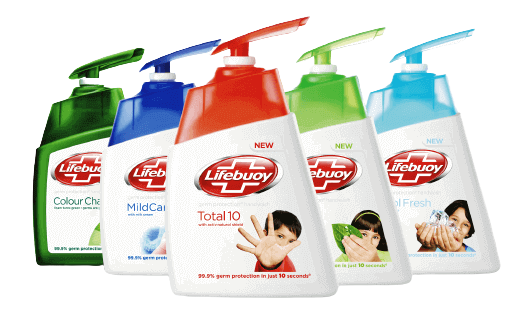
The following matrix compares active ingredient complexes and sensory characteristics across core Lifebuoy Body Wash Facts body wash SKUs:
| Lifebuoy Variant | Core Active Technology | Key Botanical Extracts | Primary Functional Benefit |
| Total 10 (Red) | Activ Silver Formula | Thymol & Terpineol | Broad-spectrum 99.9% germ protection in 10 seconds. |
| Mild Care (Blue) | Activ Silver + Oat Cream | Avena Sativa Kernel Extract | Soothes sensitive skin while delivering active hygiene. |
| Lemon Fresh (Yellow) | Activ Silver + Citrus Complex | Citrus Limon Juice | Refreshes skin and controls excess surface sebum. |
| Cool Fresh (Light Blue) | Activ Silver + Menthol | Menthol Crystals | Provides an immediate cooling sensation in warm weather. |
| Charcoal (Black) | Activ Silver + Charcoal | Activated Carbon & Sea Salt | Deeply cleanses urban pollutants and unclogs pores. |
5. Dermatological Standards, Safety Certifications, and Shelf-Life Physics
Lifebuoy body wash undergoes rigorous clinical testing to verify safety, allergy profiles, and long-term shelf stability:

- Microbiological Sterility: Every production lot is tested to ensure zero contamination from Pseudomonas aeruginosa, Staphylococcus aureus, or yeast/molds.
- Dermatological Testing: Formulations are tested under human patch-test protocols to verify non-comedogenic and low-irritation performance.
- Emulsion Viscosity Stability: The liquid maintains a stable viscosity of 4,000 to 8,000 cPs (centipoise), preventing liquid thinning or phase separation during long-term storage between 5°C and 40°C.
- Factory Shelf Life: Unopened products maintain a 30 to 36-month shelf life due to stable preservative systems (such as Methylisothiazolinone and Phenoxyethanol).
Lifebuoy Body Wash Bulk FAQ
Disclaimer: Unless otherwise stated, the images used in this article are the property of their respective owners. We do not claim ownership of any third-party images featured, and they are used here strictly for informational and educational purposes. If you are the copyright holder and wish to have an image removed, please contact us.



