
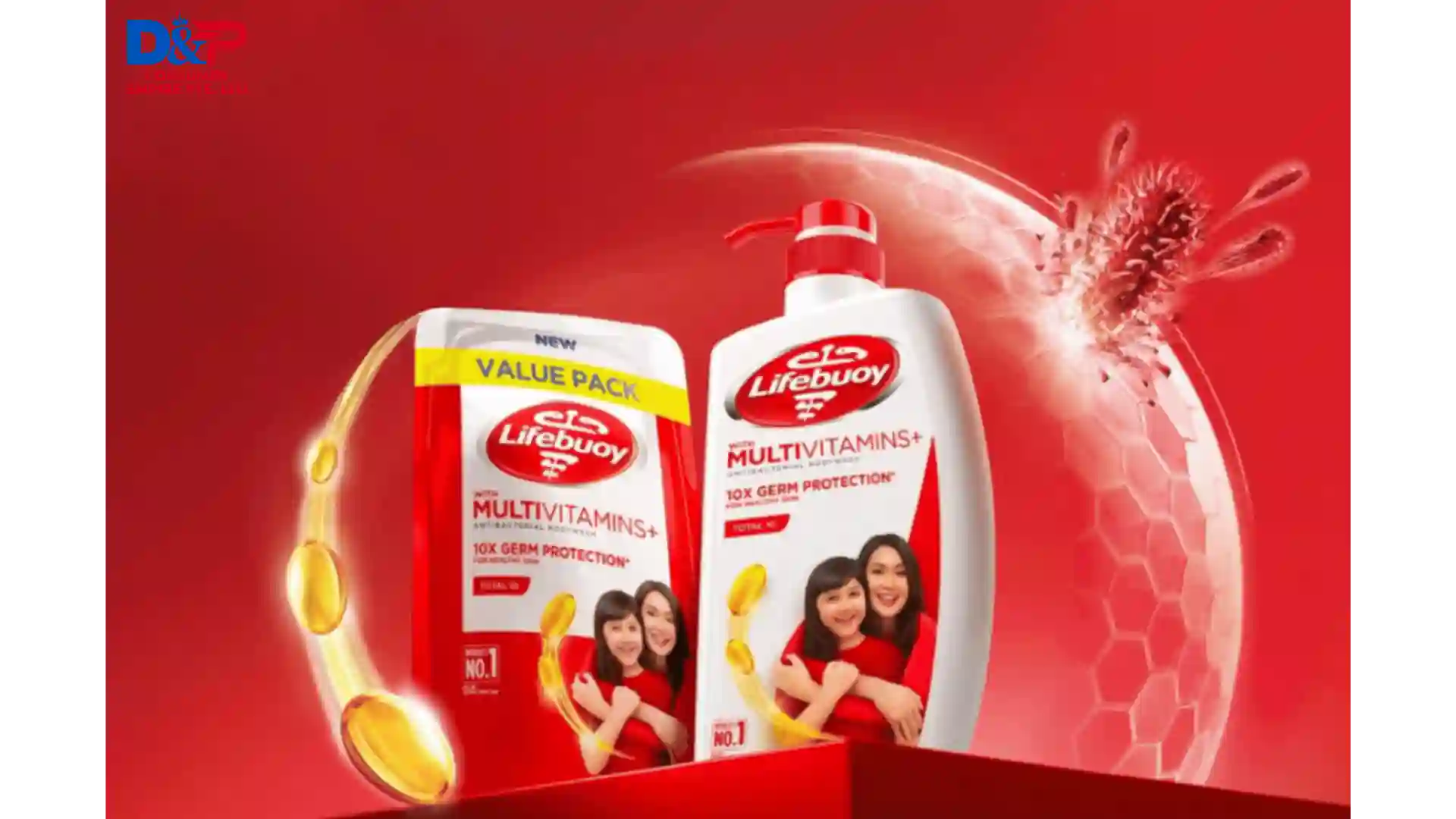

Exploring Lifebuoy Body Wash Origin parameters provides personal care importers, retail category managers, and healthcare procurement buyers with deep insights into how brand heritage, Unilever global manufacturing architecture, and regional ingredient adaptations govern product quality and trade economics. While all Lifebuoy body wash products adhere to Unilever’s global hygiene standards, regional manufacturing hubs tailor scent profiles, packaging languages, and skin-care additives to local market demands.
Evaluating origin geography allows procurement directors at D&P Consumer to secure origin-traceable supply chains, optimize tariff structures, and manage parallel trade opportunities.
Table of Contents
- Historical Heritage: From William Lever’s Carbolic Soap to Global Liquid Hygiene
- Unilever’s Global Manufacturing Architecture for Personal Care
- Regional Formulation Adaptations: Southeast Asia, South Asia, and the Middle East
- Comparative Analysis of Lifebuoy Regional Manufacturing Hubs
- International Import Compliance, Labeling Regulations, and Parallel Trade
- Frequently Asked Questions (FAQ)
1. Historical Heritage: From William Lever’s Carbolic Soap to Global Liquid Hygiene
The history of Lifebuoy Body Wash Origin began in 1894 in Port Sunlight, England, when William Hesketh Lever created Lifebuoy Royal Disinfectant Soap. Lever formulated the soap with carbolic acid (phenol) to provide an affordable, mass-produced hygiene solution that could prevent infectious diseases during the Industrial Revolution.
[1894: Port Sunlight, UK] ──► Carbolic Hard Bar Soap Created by William Lever
                                      │
                                      ▼
[1950s–1980s Global Expansion] ──► Phenol Replaced with Modern Antibacterial Agents
                                      │
                                      ▼
[2000s Liquid Revolution]     ──► Launch of Lifebuoy Liquid Body Wash
                                      │
                                      ▼
[Modern Era]                  ──► Patented Activ Silver Formula & Global Health Programs
As dermatological science advanced, Unilever replaced harsh carbolic acid with mild, high-potency antibacterial agents. In the early 2000s, Unilever launched Lifebuoy liquid body wash, combining historical germ-protection authority with modern moisturizing skincare technology.
2. Unilever’s Global Manufacturing Architecture for Personal Care
Unilever manufactures Lifebuoy body wash across a network of automated personal care production hubs strategically located near major population and trade corridors:
- Southeast Asian Hubs (Indonesia & Vietnam): PT Unilever Indonesia and Unilever Vietnam operate massive liquid personal care facilities supplying Southeast Asia, Australia, and international export markets.
- South Asian Hubs (India & Bangladesh): Hindustan Unilever Limited (HUL) operates large-scale manufacturing sites serving the Indian subcontinent.
- Middle Eastern & African Hubs (UAE & Egypt): Facilities serving the Gulf Cooperation Council (GCC) and North African territories.
3. Regional Formulation Adaptations: Southeast Asia, South Asia, and the Middle East
Unilever adapts Lifebuoy body wash formulations to align with regional climate conditions, skin types, and statutory regulations:

Southeast Asian Formulations (Indonesia / Vietnam)
Formulated for hot, humid equatorial climates. These variants feature lighter surfactant textures, high foam rinseability, and cooling ingredients like menthol (Cool Fresh) or citrus extracts (Lemon Fresh).
South Asian Formulations (India)
Focus heavily on deep cleansing and herbal skin care. Ingredients like neem, turmeric, and aloe vera are frequently integrated into specialized regional SKUs.
Middle Eastern & Export Formulations (UAE)
Produced with multilingual Arabic/English packaging and enriched with intensive moisturizing glycerin to combat skin dryness caused by arid desert climates and air conditioning.
4. Comparative Analysis of Lifebuoy Regional Manufacturing Hubs
The following matrix compares primary regional origin hubs for Lifebuoy body wash exported by D&P Consumer:
| Manufacturing Hub | Primary Supply Markets | Packaging Languages | Key Regional Variants | Commercial Trade Advantage |
| Indonesia (PT Unilever) | Southeast Asia, Australia, Export | Indonesian / English | Total 10, Mild Care, Cool Fresh | High volume capacity, competitive FOB pricing. |
| Vietnam (Unilever VN) | Indochina, East Asia, Export | Vietnamese / English | Total 10, Lemon Fresh, Charcoal | Modern UHT aseptic lines, strong ASEAN trade links. |
| India (Hindustan Unilever) | South Asia, Middle East | English / Hindi | Total 10, Neem, Turmeric | Rich herbal line availability, deep brand authority. |
| UAE (Unilever Gulf) | GCC, North Africa | Arabic / English | Total 10, Mild Care, Moisture Plus | Multilingual packaging compliant with Gulf standards. |
5. International Import Compliance, Labeling Regulations, and Parallel Trade
Navigating international trade in Lifebuoy body wash requires ensuring full regulatory compliance at the destination port:
Over-Stickering and Ingredient Disclosures
When importing Lifebuoy stock across international borders, local health regulations (such as US FDA or European EC 1223/2009 cosmetic directives) require translated compliance labels. Over-stickers must disclose full INCI ingredient lists, batch numbers, manufacturing origins, net volume, and regional distributor details.
Parallel Trade Arbitrage
Price differentials between manufacturing regions create parallel trade opportunities for international B2B traders. Importers leverage currency shifts and regional pricing strategies to source authentic Lifebuoy inventory at favorable landed costs.
Lifebuoy Body Wash Origin FAQ
Disclaimer: Unless otherwise stated, the images used in this article are the property of their respective owners. We do not claim ownership of any third-party images featured, and they are used here strictly for informational and educational purposes. If you are the copyright holder and wish to have an image removed, please contact us.



