


Exploring Lotus Biscoff Biscuits Origin parameters provides specialty food importers, retail category managers, and commercial food service buyers with deep insights into how brand heritage, Belgian baking traditions, Lembeke manufacturing facilities, and natural caramelization processes govern finished product quality and trade economics. All authentic Lotus Biscoff biscuits are manufactured exclusively in Belgium under strict traditional Speculoos recipes.
Evaluating origin parameters allows procurement directors at D&P Consumer to secure origin-traceable supply chains, verify authentic European quality standards, and manage parallel trade opportunities.
Table of Contents
- Historical Heritage: From 1932 Lembeke Bakery to Global Confectionery Leader
- Traditional Belgian Speculoos Baking Science and Caramelization
- Centralized Belgian Production Architecture (Lembeke Hub)
- Comparative Analysis of Authentic Belgian Biscoff vs. Imitation Speculoos
- International Import Compliance, Labeling Regulations, and Parallel Trade
- Frequently Asked Questions (FAQ)
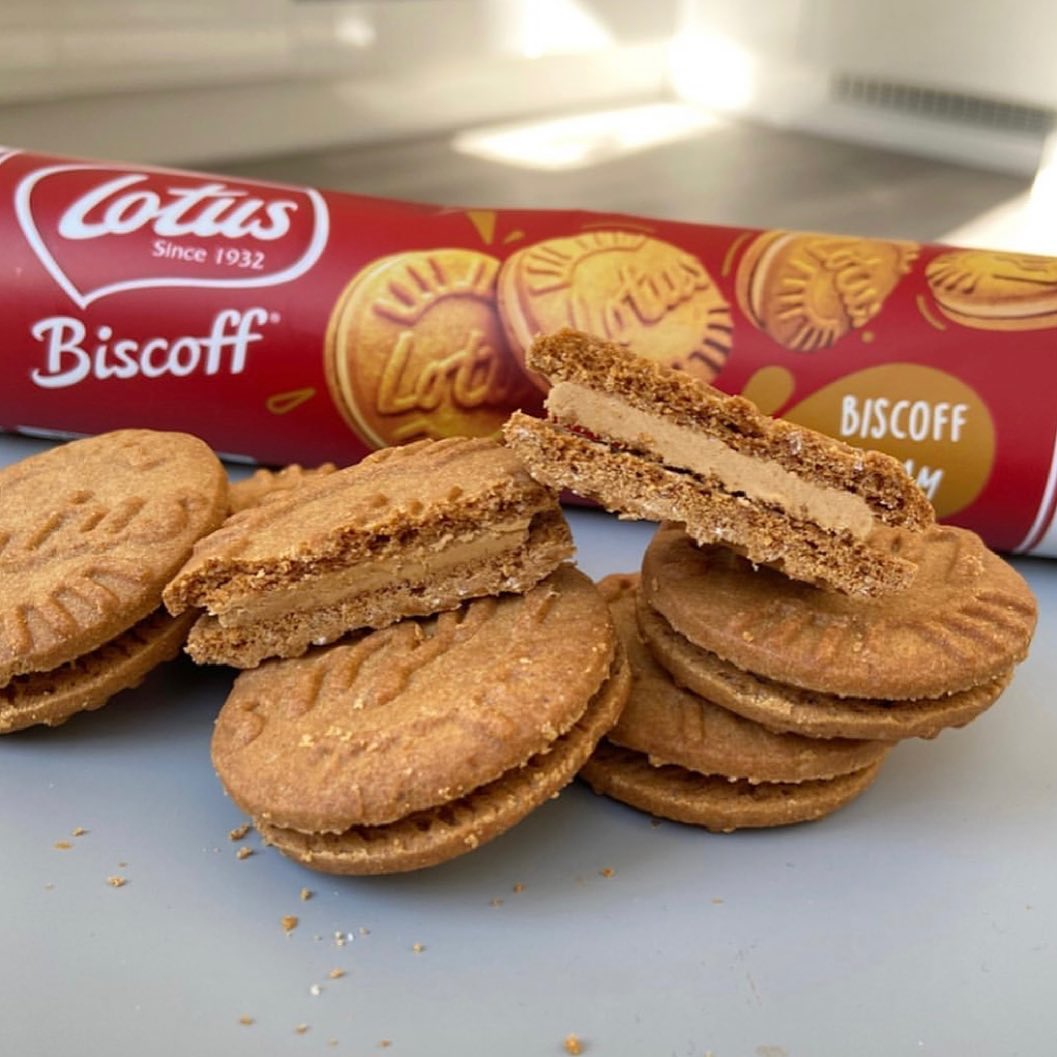
1. Historical Heritage: From 1932 Lembeke Bakery to Global Confectionery Leader
The history of Lotus Biscoff began in 1932 in Lembeke, a small town in East Flanders, Belgium. Baker Jan Boone Sr. created a unique caramelized speculoos biscuit using natural ingredients, naming his company Lotus after the flower symbolizing purity.
[1932: Lembeke, Belgium]     ──► Jan Boone Sr. Creates Lotus Caramelized Speculoos Biscuit
                                      │
                                      ▼
[1950s Coffee Pairing]       ──► Biscoff Introduced as Official Belgian Cafe Coffee Pairing
                                      │
                                      ▼
[1980s Airline Expansion]    ──► Airline Partnerships (Delta) Introduce Biscoff to North America
                                      │
                                      ▼
[2000s Innovation Era]       ──► Launch of Biscoff Cookie Spread & Global Expansion
In the 1950s, Jan Boone Jr. introduced single-wrapped biscuits to Belgian cafes and hotels, establishing the tradition of serving a crispy Biscoff biscuit alongside every cup of coffee. In the late 1980s, Lotus partnered with international airlines (including Delta Air Lines), introducing Biscoff to millions of global travelers and launching its international expansion.
2. Traditional Belgian Speculoos Baking Science and Caramelization
Authentic Belgian speculoos differs fundamentally from standard gingerbread or cinnamon biscuits:
- Zero Artificial Additives: Formulated with wheat flour, sugar, vegetable oils (palm oil from sustainable sources, rapeseed oil), candy sugar syrup, raising agent (sodium hydrogen carbonate), soy flour, salt, and cinnamon.
- Pure Caster Sugar Caramelization: Deep golden-brown color and rich caramel taste stem entirely from high-temperature baking caramelization of caster sugar, with zero added artificial colors or preservatives.
- 100% Vegan Recipe: Free from dairy milk, butter, or egg products, meeting certified vegan standards naturally.

3. Centralized Belgian Production Architecture (Lembeke Hub)
To protect secret family recipes and guarantee global quality consistency, Lotus Bakeries maintains centralized manufacturing operations in Lembeke, Belgium.
- State-of-the-Art Lembeke Facility: The Lembeke plant is one of the world’s largest, most automated biscuit manufacturing facilities, producing billions of Biscoff biscuits annually.
- Global Distribution Hub: All authentic Lotus Biscoff inventory exported globally by D&P Consumer originates directly from Belgium, ensuring 100% authentic origin quality.
4. Comparative Analysis of Authentic Belgian Biscoff vs. Imitation Speculoos
The following matrix compares authentic Lotus Biscoff Biscuits Origin parameters with generic market imitations:
| Quality Parameter | Authentic Belgian Lotus Biscoff | Generic Market Imitation Speculoos | Commercial Trade Significance |
| Origin Country | Lembeke, Belgium | Various / Local | Guarantees authentic European recipe authority. |
| Caramelization Process | Natural Caster Sugar Baking | Added Artificial Caramel Colors | Delivers clean, authentic speculoos taste. |
| Crispness & Moisture | Ultra-Low Moisture (< 1.0%) | Variable Moisture (1.5% – 2.5%) | Ensures long-lasting crunch in flow-wraps. |
| Dietary Certifications | Certified Vegan, Halal, Kosher | Varies / Contains Dairy | Suitable for diverse global consumer groups. |

5. International Import Compliance, Labeling Regulations, and Parallel Trade
Navigating international trade in Lotus Biscoff requires ensuring full regulatory compliance at the destination port:
Over-Stickering and Ingredient Disclosures
When importing Lotus Biscoff stock across international borders, local health regulations require translated compliance labels. Over-stickers must disclose full INCI ingredient lists, allergen declarations (wheat gluten, soy), net weight, manufacturing origin (Made in Belgium), and regional distributor details.
Parallel Trade Arbitrage
High global demand and pricing variations between European and export markets create active parallel trade opportunities for international B2B traders. Importers leverage currency shifts to source authentic Belgian Lotus Biscoff inventory at competitive landed costs.
Lotus Biscoff Biscuits Origin FAQ
Disclaimer: Unless otherwise stated, the images used in this article are the property of their respective owners. We do not claim ownership of any third-party images featured, and they are used here strictly for informational and educational purposes. If you are the copyright holder and wish to have an image removed, please contact us.



