
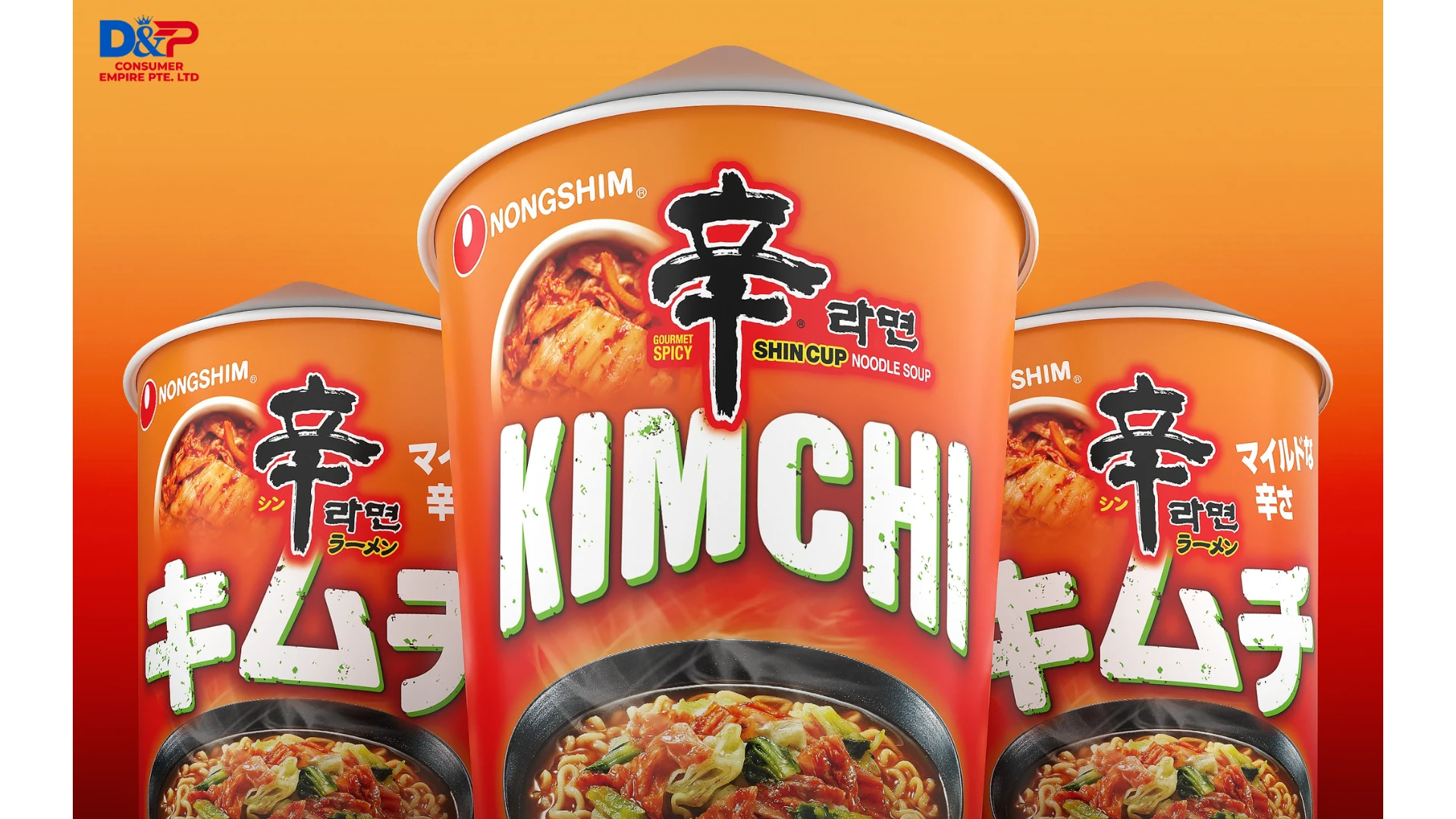

For B2B procurement managers navigating the complexities of the global instant noodle market, a granular understanding of the intrinsic Nongshim Shin Ramyun Noodles Facts is paramount. This iconic Korean ramen, renowned for its spicy flavor profile and robust noodle texture, represents a significant segment within the Asian food commodities sector. However, its procurement transcends mere popularity, demanding rigorous technical analysis of ingredients, quality assurance protocols, and intricate supply chain logistics to ensure optimal commercial value and consistent product integrity.
D-P Consumer provides an in-depth exploration into the technical specifications and strategic considerations vital for large-scale acquisition of this widely demanded product, mitigating risks associated with inconsistent supply or substandard quality. A comprehensive understanding of these aspects contributes significantly to strategic procurement decisions, aligning with broader market analyses often explored in our Global Instant Noodle Market Trends pillar article.
Table of Contents
- Technical Specifications of Nongshim Shin Ramyun
- Ingredient Profiling and Sourcing Dynamics
- Quality Assurance and Regulatory Compliance
- Optimizing Logistics and Supply Chain for Bulk Procurement
- Market Impact and Strategic Procurement
- Conclusion: Strategic Procurement with D-P Consumer
- Frequently Asked Questions
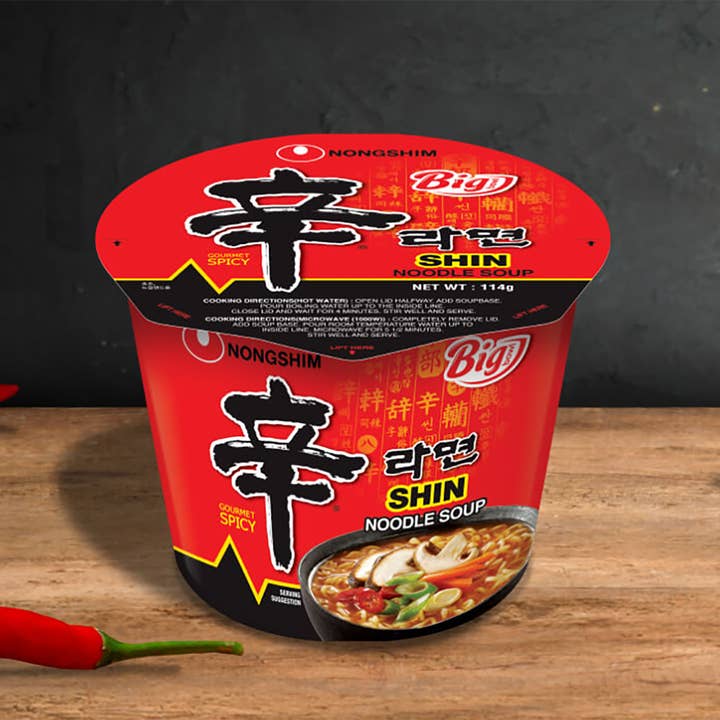
Technical Specifications of Nongshim Shin Ramyun
The precise technical specifications of Nongshim Shin Ramyun are critical for B2B buyers seeking consistency and conformity. These facts extend beyond mere nutritional labels, encompassing physical properties of the noodles, precise seasoning blend compositions, and packaging integrity. Understanding these details enables buyers to verify product authenticity and ensure suitability for various market applications. The core components include:
Noodle Composition and Physico-Chemical Properties
The distinct chewiness and resilience of Shin Ramyun noodles derive from a specific blend of wheat flour, potato starch, and emulsifiers. For industrial buyers, critical parameters include:
- Moisture Content: Typically 8-12% for optimal shelf stability and prevention of microbial growth. Deviations can impact texture and rancidity.
- Oil Content (Frying): Usually 15-20% by weight, crucial for quick rehydration and texture. Type of oil (e.g., palm oil, sunflower oil) is also a key consideration, especially concerning sustainability and allergen profiles. D-P Consumer emphasizes stringent sourcing for such ingredients, detailed further in our insights on Sustainable Ingredient Sourcing.
- pH Level: Maintaining a stable pH is vital for preservative efficacy and flavor stability.
- Protein & Gluten Content: Directly impacts noodle structure and cooking performance.
Seasoning and Flavor Profile Consistency
The iconic spicy and savory broth of Shin Ramyun is a complex blend of various spices, dehydrated vegetables, and flavor enhancers. For bulk procurement, ensuring batch-to-batch consistency in flavor compounds and pungency levels is crucial. This involves:
- Spice Origin Verification: Tracing the origin of chili powder, garlic, and onion flakes to ensure compliance with import regulations and quality standards.
- Dehydrated Vegetable Integrity: Assessing rehydration properties, color retention, and absence of foreign matter in components like mushrooms, green onions, and carrots.
- Sodium Content Management: While a consumer-facing metric, B2B buyers often monitor this for specific market demands or regulatory environments.
A comprehensive technical data table for Nongshim Shin Ramyun might include:
| Parameter | Specification Range | Testing Method | Compliance Standard |
|---|---|---|---|
| Noodle Moisture Content | 8.0% – 12.0% | AOAC 925.09 | ISO 2171 |
| Noodle Oil Content | 15.0% – 20.0% | Soxhlet Extraction | ISO 659 |
| Seasoning Sodium mg/serving | ± 10% of declared value | Atomic Absorption | Codex Alimentarius |
| Rehydration Time (Noodles) | 3.5 – 4.5 minutes | Standard Boil Test | Internal QC |
| Microbial Load (TVC) | < 10^4 CFU/g | Plate Count Agar | HACCP Critical Limit |
| Aflatoxin B1 | < 5 µg/kg | HPLC | EU/FDA Regulations |
Ingredient Profiling and Sourcing Dynamics
The integrity of Nongshim Shin Ramyun Noodles Facts hinges significantly on the quality and origin of its raw materials. D-P Consumer emphasizes a transparent and auditable supply chain, critical for B2B procurement managers concerned with traceability and ethical sourcing.

Key Raw Material Analysis
- Wheat Flour: Sourced from specific wheat varieties to achieve desired protein and gluten content for noodle elasticity. Procurement involves assessing geographical origin, milling specifications, and absence of heavy metals or pesticide residues.
- Palm Oil: Utilized in the noodle frying process. D-P rigorously vets suppliers to ensure adherence to sustainable palm oil initiatives (e.g., RSPO certification), minimizing environmental impact.
- Potato Starch: Contributes to the noodle’s characteristic texture. Quality control includes starch purity, particle size, and absence of genetic modification if specified by buyers.
- Spice Components: Chili powder, garlic, onion, and various extracts. Sourcing involves validating potency, purity, and ensuring compliance with maximum residue limits (MRLs) for pesticides and mycotoxins.
Geographical Sourcing and Supply Chain Stability
Understanding the geographical spread of raw material sourcing for Shin Ramyun is vital for supply chain resilience. Diversification of sourcing mitigates risks from regional crop failures, political instability, or sudden demand spikes. D-P Consumer leverages its extensive network to provide B2B clients with detailed intelligence on sourcing stability and potential vulnerabilities, ensuring uninterrupted supply of essential food commodities.
Quality Assurance and Regulatory Compliance
For B2B procurement of Nongshim Shin Ramyun, unwavering adherence to stringent quality assurance protocols and international regulatory compliance is non-negotiable. These facts guarantee product safety, efficacy, and market acceptance across diverse jurisdictions.
International Certifications and Standards
Nongshim, as a leading global food manufacturer, typically operates under rigorous quality management systems. Key certifications relevant for B2B import include:
- ISO 22000 (Food Safety Management): Ensures a systematic approach to food safety hazards.
- HACCP (Hazard Analysis and Critical Control Points): A preventative system for food safety.
- FSSC 22000 (Food Safety System Certification): A robust, auditable certification scheme.
- GlobalGAP: While more common for fresh produce, principles related to responsible farming practices can extend to ingredient sourcing.
- Halal/Kosher Certification: Crucial for market access in specific demographic regions.
D-P Consumer meticulously verifies these certifications and conducts independent audits to ensure ongoing compliance, a foundational aspect of our commitment to quality assurance, as detailed in our Food Safety Certifications for B2B Buyers guide.
Advanced Quality Control Measures
Beyond certifications, D-P Consumer implements advanced quality control throughout the procurement process:
- Pre-shipment Inspection (PSI): Comprehensive checks on product specifications, packaging, labeling, and quantity before dispatch.
- Laboratory Testing: Independent third-party lab tests for microbiological contaminants (e.g., E. coli, Salmonella), heavy metals (e.g., lead, cadmium), pesticide residues, and allergens.
- Packaging Integrity: Ensuring packaging materials meet international standards for food contact safety, moisture barrier properties, and transport resilience, particularly for bulk shipments.
Optimizing Logistics and Supply Chain for Bulk Procurement
The efficient and secure transport of Nongshim Shin Ramyun in bulk form is as critical as the product itself. The logistics and supply chain facts determine cost-effectiveness, delivery timeliness, and overall product condition upon arrival.
Containerization and Packaging for Export
Bulk shipments typically involve standard 20-foot or 40-foot containers. Specific considerations include:
- Palletization: Maximizing container space while ensuring product stability and preventing damage during transit. Using robust, fumigated pallets meeting ISPM 15 standards.
- Temperature and Humidity Control: While dried noodles are relatively stable, extreme fluctuations can impact packaging integrity and potentially accelerate rancidity of oil components. Controlled environment shipping may be necessary for extended transit times or sensitive destinations.
- Incoterms: Clearly defined Incoterms (e.g., FOB, CIF, DDP) are crucial for delineating responsibilities and costs between buyer and seller, covering freight, insurance, and customs duties.
Risk Mitigation in International Shipping
International shipping presents various risks, from transit damage to customs delays. D-P Consumer proactively addresses these through:
- Comprehensive Cargo Insurance: Protecting against loss or damage during sea or air freight.
- Customs Documentation Expertise: Ensuring all necessary export/import permits, health certificates, and commercial invoices are accurate and complete to prevent border delays.
- Real-time Tracking and Communication: Providing transparent updates on shipment status, crucial for B2B planning and inventory management. Our expertise in this area is a cornerstone of Optimized International Food Logistics.
Market Impact and Strategic Procurement
Beyond the technical facts, understanding the market position and strategic implications of procuring Nongshim Shin Ramyun is vital for B2B success.
Global Demand and Market Dynamics
Shin Ramyun holds a significant market share globally, particularly in North America, Europe, and Southeast Asia. Its consistent demand makes it a reliable product for distributors and retailers. Understanding regional consumer preferences and peak demand cycles allows for optimized inventory management and promotional strategies.
Competitive Landscape and Pricing Strategies
While Shin Ramyun commands a premium, its strong brand equity often justifies the price point. For B2B buyers, negotiating favorable terms requires leverage, often built on bulk purchasing power and long-term partnership agreements with reliable suppliers like D-P Consumer. Price stability, influenced by raw material costs (e.g., wheat, palm oil) and currency fluctuations, is a constant monitoring point.
Conclusion: Strategic Procurement with D-P Consumer
For B2B procurement managers, mastering the intricate Nongshim Shin Ramyun Noodles Facts is not merely an academic exercise but a strategic imperative. From the precise technical specifications of its noodles and seasoning to the rigorous quality assurance protocols and complex logistics of international trade, every detail impacts profitability and market reputation. D-P Consumer stands as your dedicated partner, offering unparalleled expertise in agricultural commodities, B2B export, and comprehensive supply chain solutions.
We empower our clients with transparent sourcing, verified quality, and streamlined logistics, ensuring that your bulk procurement of Nongshim Shin Ramyun is efficient, reliable, and aligns with the highest global standards. Partner with D-P Consumer to transform complex procurement challenges into seamless operational successes. Request a tailored quote or contact our trade specialists today to discuss your specific requirements: Contact D-P Consumer for Shin Ramyun Procurement.
Nongshim Shin Ramyun Technical Specs FAQ
Disclaimer: Unless otherwise stated, the images used in this article are the property of their respective owners. We do not claim ownership of any third-party images featured, and they are used here strictly for informational and educational purposes. If you are the copyright holder and wish to have an image removed, please contact us.



