


Understanding the precise Nongshim Shin Ramyun Noodles Origin is paramount for B2B procurement managers who prioritize supply chain integrity, consistent product quality, and robust risk mitigation strategies. In a globalized market where ingredient provenance directly impacts brand reputation and consumer trust, dissecting the raw material supply chain of an an iconic product like Nongshim Shin Ramyun is not merely an academic exercise but a critical component of strategic sourcing. This analysis delves into the intricate global network from which the essential components of Shin Ramyun are procured, highlighting the rigorous technical specifications and quality controls that define D-P Consumer’s approach to agricultural commodities trade.
For B2B buyers, the challenge extends beyond price point; it encompasses traceability, adherence to international food safety standards (such as GlobalGAP, ISO 22000, and HACCP), and the logistical complexities of securing high-volume, consistent-quality inputs. The ability to guarantee the precise characteristics of wheat flour, the pungency of chili peppers, or the integrity of dehydrated vegetables directly influences the final product’s sensory profile and market acceptance. D-P Consumer, as a specialized exporter and international trader, offers unparalleled transparency and expertise in navigating these complexities, ensuring that every component sourced meets the exacting standards required for a product of Shin Ramyun’s caliber.
Table of Contents
- The Global Quest for Consistent Quality: Understanding Nongshim Shin Ramyun’s Foundation
- Wheat Flour: The Structural Core of Shin Ramyun Noodles
- Chili Peppers & Spices: The Pungent Signature
- Key Flavor Enhancers & Dehydrated Vegetables
- Rigorous Quality Control & Supply Chain Transparency: D-P’s Mandate
- D-P Consumer’s Strategic Advantage in Sourcing Nongshim Shin Ramyun Ingredients
- Conclusion
- Frequently Asked Questions (FAQ)
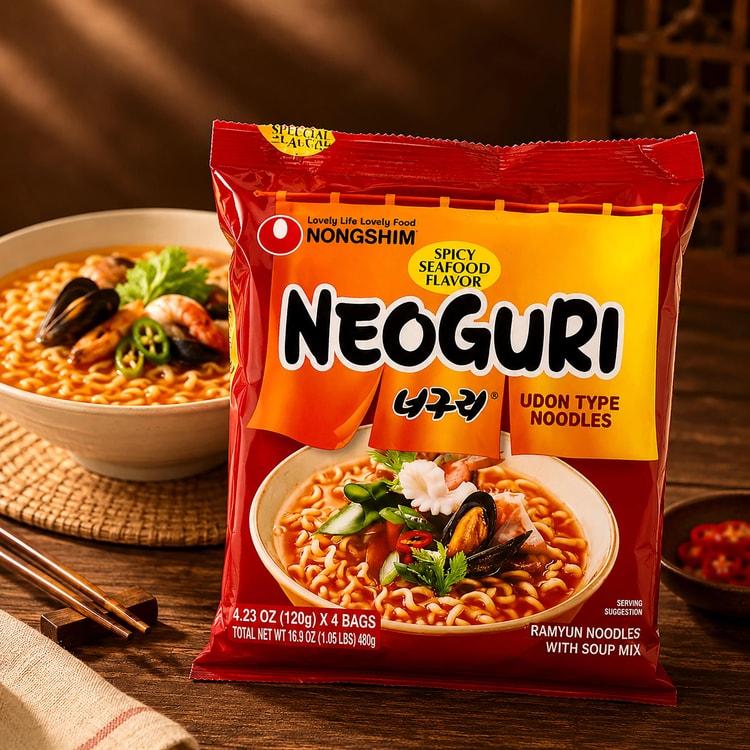
The Global Quest for Consistent Quality: Understanding Nongshim Shin Ramyun’s Foundation
The iconic taste and texture of Nongshim Shin Ramyun are not accidental; they are the result of a meticulously managed global supply chain that brings together ingredients from diverse geographical regions. For B2B procurement, understanding this global tapestry is crucial for ensuring continuity and quality. The quest for ideal raw materials, from specialized wheat varieties to distinct chili peppers, forms the backbone of the Nongshim Shin Ramyun Noodles wholesale market. Procurement managers must navigate a complex landscape of agricultural commodity markets, trade regulations, and geopolitical factors that can all influence the availability and cost of key inputs. This foundational understanding is essential for strategic planning and securing a resilient supply.
D-P Consumer’s expertise lies in dissecting these complexities, providing clients with actionable intelligence on the Nongshim Shin Ramyun Noodles Origin of each critical ingredient. This involves not only identifying the primary cultivation regions but also assessing seasonal variations, crop yields, and emerging sustainability challenges. Our commitment to transparency ensures that our B2B partners have a clear line of sight into the entire journey of their ingredients, from farm to factory. For procurement managers seeking to understand the broader supply dynamics and opportunities for wholesale acquisition of Nongshim Shin Ramyun noodles, a deeper dive into wholesale strategies is available at D-P Consumer’s dedicated resource on Nongshim Shin Ramyun Noodles Wholesale.
Wheat Flour: The Structural Core of Shin Ramyun Noodles
Optimizing Grain Selection for Noodle Texture
The noodle block is arguably the most critical component, and its quality is intrinsically linked to the wheat flour’s characteristics. Nongshim Shin Ramyun requires a specific flour profile to achieve its signature chewy yet firm texture that withstands boiling without becoming mushy. This necessitates careful selection of wheat varieties, typically a blend of high-protein hard wheat and medium-protein soft wheat.
Primary Wheat Origins: The ideal wheat for Shin Ramyun noodles often originates from regions renowned for their consistent grain quality, such as North America (e.g., Hard Red Spring wheat from the U.S. and Canada) or Australia (e.g., Australian Standard White – ASW). These regions provide grains with optimal protein content (typically 11-13.5%) and strong gluten-forming capabilities, which are essential for noodle elasticity and tensile strength. D-P Consumer meticulously vets suppliers from these origins, ensuring that wheat batches meet stringent rheological properties.
Technical Specifications for Shin Ramyun Noodle Wheat Flour
| Parameter | Specification Range | Testing Method | Significance for Noodles |
|---|---|---|---|
| Protein Content (dry basis) | 11.0% – 13.5% | Kjeldahl Method (AACC 46-12.01) | Directly influences gluten strength and noodle chewiness. |
| Moisture Content | Max 14.0% | Oven Drying Method (AACC 44-15.02) | Critical for storage stability and preventing microbial growth. |
| Ash Content (dry basis) | Max 0.55% | Incineration Method (AACC 08-01.01) | Indicates flour purity; lower ash yields whiter noodles. |
| Wet Gluten Content | 28% – 35% | Manual Washing Method (AACC 38-12.02) | Reflects dough elasticity and cooking tolerance. |
| Falling Number (min) | 250 seconds | Hagberg-Perten Method (AACC 56-81.03) | Measures alpha-amylase activity; ensures optimal starch gelatinization. |
| Particle Size | <180 microns (95% pass) | Sieve Analysis | Affects water absorption and dough workability. |
Procurement managers must understand these granular details to ensure the raw materials for Nongshim Shin Ramyun’s noodles consistently meet the brand’s exact specifications. D-P Consumer leverages its global network to source and verify these high-grade wheat flours, managing the logistics and quality assurance from origin to destination.
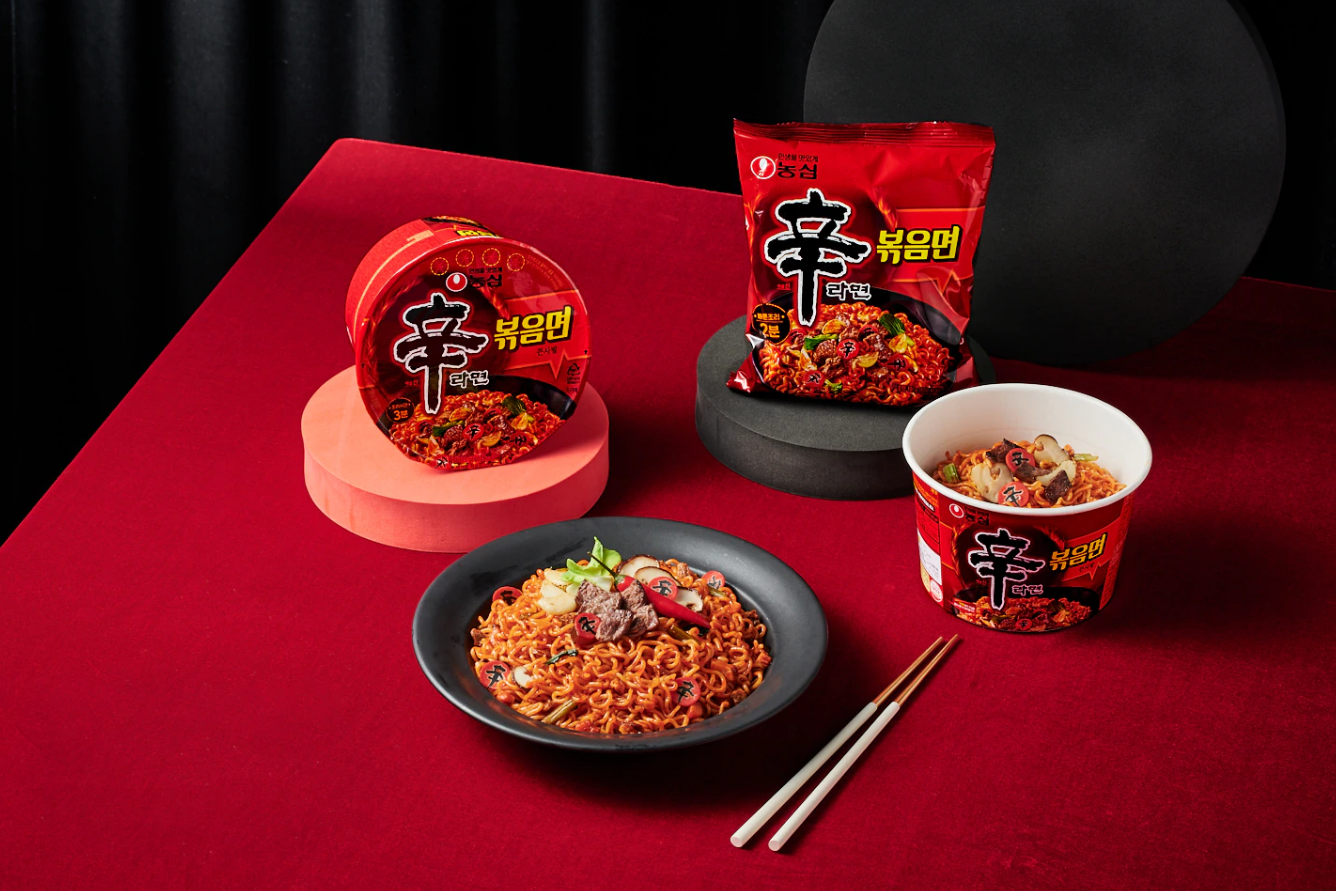
Chili Peppers & Spices: The Pungent Signature
Sourcing the Heat and Flavor Profile
The distinctive spicy kick of Shin Ramyun is largely attributed to its chili pepper blend. The search for the ideal chili for Nongshim Shin Ramyun Noodles Origin involves identifying specific varieties known for their consistent heat units (Scoville Heat Units – SHU) and characteristic flavor profiles. Gochugaru (Korean chili powder) is a primary component, but blends often incorporate other types to achieve a balanced, complex spiciness.
Key Origins: Korean chili peppers are naturally preferred for their authentic profile. However, consistent supply and specific heat requirements may necessitate sourcing from other established chili-producing regions such as China, India, or Vietnam, depending on the desired SHU and flavor characteristics. D-P Consumer’s network allows for direct sourcing from certified farms in these regions, emphasizing varieties known for low moisture content and absence of mycotoxins.
Ensuring Purity and Potency
Beyond heat, the purity of chili peppers is paramount. Contaminants such as heavy metals, pesticide residues, and microbial load are critical concerns for B2B food processors. D-P Consumer enforces rigorous testing protocols for all spice imports, utilizing accredited third-party laboratories to verify compliance with international food safety standards. This proactive approach safeguards against product recalls and maintains consumer confidence in Nongshim Shin Ramyun.
Key Flavor Enhancers & Dehydrated Vegetables
The Umami and Aromatic Foundations
Beyond the noodles and spice, Shin Ramyun’s complexity comes from its flavor enhancers and dehydrated vegetable components. These include MSG (Monosodium Glutamate), soy sauce powder, mushroom extracts, and a medley of dried vegetables such as green onion, mushroom flakes, and carrots.
Sourcing Flavor Enhancers: MSG, a key umami agent, is typically sourced from reputable manufacturers in East Asia, where production is highly industrialized and controlled. Similarly, hydrolyzed vegetable proteins and yeast extracts, which contribute to the savory depth, are selected based on their purity and consistent flavor profiles. D-P Consumer ensures these suppliers adhere to strict ISO 22000 and HACCP certifications.
Dehydrated Vegetables: The quality of dehydrated vegetables depends on the freshness of the raw produce and the efficiency of the drying process. Farmers and processors for these ingredients are carefully selected based on their agricultural practices (GlobalGAP certification is often preferred for produce) and their ability to maintain nutritional integrity and color during dehydration. The specific Nongshim Shin Ramyun Noodles Origin for these vegetables can vary globally, from local Korean farms for specific types of greens to international suppliers for common vegetables like carrots or mushrooms.
Rigorous Quality Control & Supply Chain Transparency: D-P’s Mandate
Adherence to Global Standards (GlobalGAP, ISO, HACCP)
For any global food brand like Nongshim, uncompromising quality control is non-negotiable. D-P Consumer integrates this principle into every aspect of its B2B supply chain management for ingredients contributing to the Nongshim Shin Ramyun Noodles Origin. Our mandate revolves around adherence to the highest international food safety and quality standards:
- GlobalGAP: For fresh produce (chili peppers, vegetables), GlobalGAP certification ensures Good Agricultural Practices, promoting safe and sustainable farming. D-P partners with GlobalGAP certified farms to minimize pesticide use and ensure hygienic handling.
- ISO 22000: This international standard for food safety management systems is a baseline requirement for all our processing partners, ensuring systematic control of food safety hazards.
- HACCP (Hazard Analysis and Critical Control Points): A preventive approach to food safety, HACCP implementation is verified at every critical juncture in the supply chain, from raw material reception to final packaging of ingredients.
- Customized Audits: Beyond standard certifications, D-P Consumer conducts its own rigorous supplier audits, often tailored to specific client requirements, to verify operational integrity and consistent quality output.
Through these stringent measures, D-P Consumer effectively mitigates risks associated with cross-contamination, adulteration, and microbiological hazards, providing procurement managers with complete assurance in the quality and safety of their sourced ingredients.
D-P Consumer’s Strategic Advantage in Sourcing Nongshim Shin Ramyun Ingredients
Optimizing B2B Procurement with Expertise and Efficiency
Navigating the complex global market for agricultural commodities requires more than just transactional capabilities; it demands deep market insight, logistical prowess, and an unwavering commitment to quality. D-P Consumer provides a strategic advantage for procurement managers seeking to optimize their supply chain for products like Nongshim Shin Ramyun.
- Global Network & Direct Sourcing: Our extensive network of vetted growers and processors across continents ensures direct access to the highest quality raw materials. This bypasses intermediaries, enhances traceability, and often yields more competitive pricing for Nongshim Shin Ramyun Noodles wholesale ingredients.
- Logistical Excellence: From cold chain management for sensitive spices to bulk shipping of wheat, D-P Consumer’s logistics specialists handle all aspects of international freight, customs clearance, and timely delivery, minimizing transit risks and optimizing inventory management for our B2B clients.
- Risk Mitigation & Market Intelligence: We provide real-time market intelligence on crop forecasts, price trends, and regulatory changes, enabling proactive risk mitigation and informed purchasing decisions. This is crucial for maintaining a stable supply chain for the Nongshim Shin Ramyun Noodles Origin of its diverse ingredients.
- Tailored Solutions: Understanding that each B2B client has unique requirements, D-P Consumer offers customized sourcing solutions, from specific grade procurement to bespoke packaging and delivery schedules.
Conclusion
The journey from diverse global farms to the distinctive bowl of Nongshim Shin Ramyun is a testament to sophisticated supply chain management. For B2B procurement managers, understanding the precise Nongshim Shin Ramyun Noodles Origin of each ingredient, coupled with stringent quality control and transparent sourcing, is indispensable. D-P Consumer stands as a critical partner in this endeavor, providing the expertise, network, and commitment to quality assurance that modern food manufacturing demands.
By collaborating with D-P Consumer, businesses can ensure a consistent, reliable, and high-quality supply of ingredients, safeguarding their product integrity and market position. Partner with D-P Consumer to elevate your sourcing strategy and secure the foundational elements for your high-quality instant noodle production. Request a quote or speak with our trade specialists today to explore how we can optimize your procurement process: Contact D-P Consumer.
Nongshim Shin Ramyun Origin & Sourcing FAQ
Disclaimer: Unless otherwise stated, the images used in this article are the property of their respective owners. We do not claim ownership of any third-party images featured, and they are used here strictly for informational and educational purposes. If you are the copyright holder and wish to have an image removed, please contact us.



