

Sourcing Pokka Green Tea Commercial Supply inventory provides international beverage distributors, supermarket chains, cash-and-carry wholesalers, and FMCG trading partners with an essential, high-velocity revenue engine in the Ready-To-Drink (RTD) tea category. As one of the premier non-carbonated Asian beverage brands, Pokka maintains a commanding market share across Southeast Asia, the Middle East, Europe, and North America.
For international B2B importers, managing full container load (FCL) consignments of Pokka Green Tea requires navigating complex supply chain dynamics—including origin manufacturing hub selection, aseptic packaging integrity, payload weight limits, regional sugar-tax compliance, and temperature-controlled ocean freight. This comprehensive guide analyzes the technical, commercial, and logistical protocols necessary to build a highly profitable distribution model.
Table of Contents
- Global Market Demand & B2B Commercial Positioning of RTD Green Tea
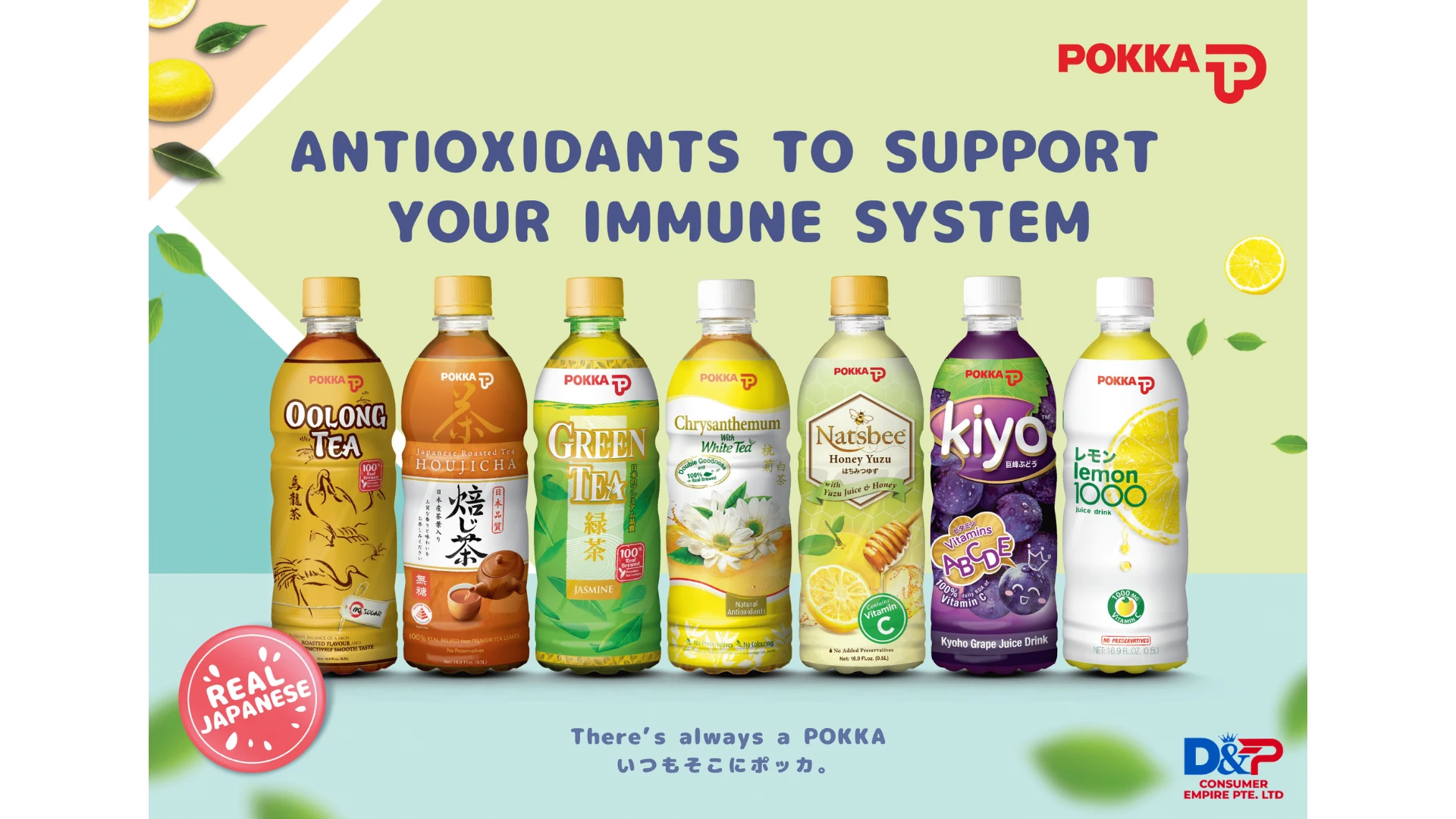
- Product Line Breakdown: Jasmine, Japanese, Honey Lemon, and Zero-Sugar Variants
- Catechin Science, Aseptic Cold Filling, and Quality Preservation Standards
- Bulk Packaging Specifications, Freight Payload Density, and Container Loading Models
- B2B Landed Cost & Procurement Margin Calculation Framework
- International Food Safety Compliance, Phytosanitary Certifications, and Customs Tariffs
- Frequently Asked Questions (FAQ)

1. Global Market Demand & B2B Commercial Positioning of RTD Green Tea
The global Ready-To-Drink (RTD) tea market continues to expand rapidly, driven by shifting consumer preferences away from high-sugar carbonated soft drinks toward functional, antioxidant-rich beverages. Pokka Corporation—headquartered in Singapore with primary manufacturing hubs in Singapore and Malaysia—stands as a benchmark for real-brewed green tea.
Adding Pokka Green Tea Commercial Supply stock to a wholesale portfolio delivers distinct commercial advantages:
- High Pre-Sold Brand Equity: Strong brand awareness across ethnic retail, mainstream Asian aisles, and modern trade channels reduces localized promotional overhead.
- Rapid Cash Conversion Cycles: High velocity in convenience chillers and hypermarkets drives consistent inventory turnover and working capital liquidity.
- Multi-Channel Breadth: Suitable for hypermarket retail, convenience forecourts, traditional trade bazaars, corporate pantries, and HoReCa (Hotel, Restaurant, Catering) venues.
2. Product Line Breakdown: Jasmine, Japanese, Honey Lemon, and Zero-Sugar Variants
Curating an optimal product mix requires selecting the right combination of Pokka sub-brands tailored to destination market demographics and local regulatory frameworks:
Flagship Jasmine & Pure Green Teas
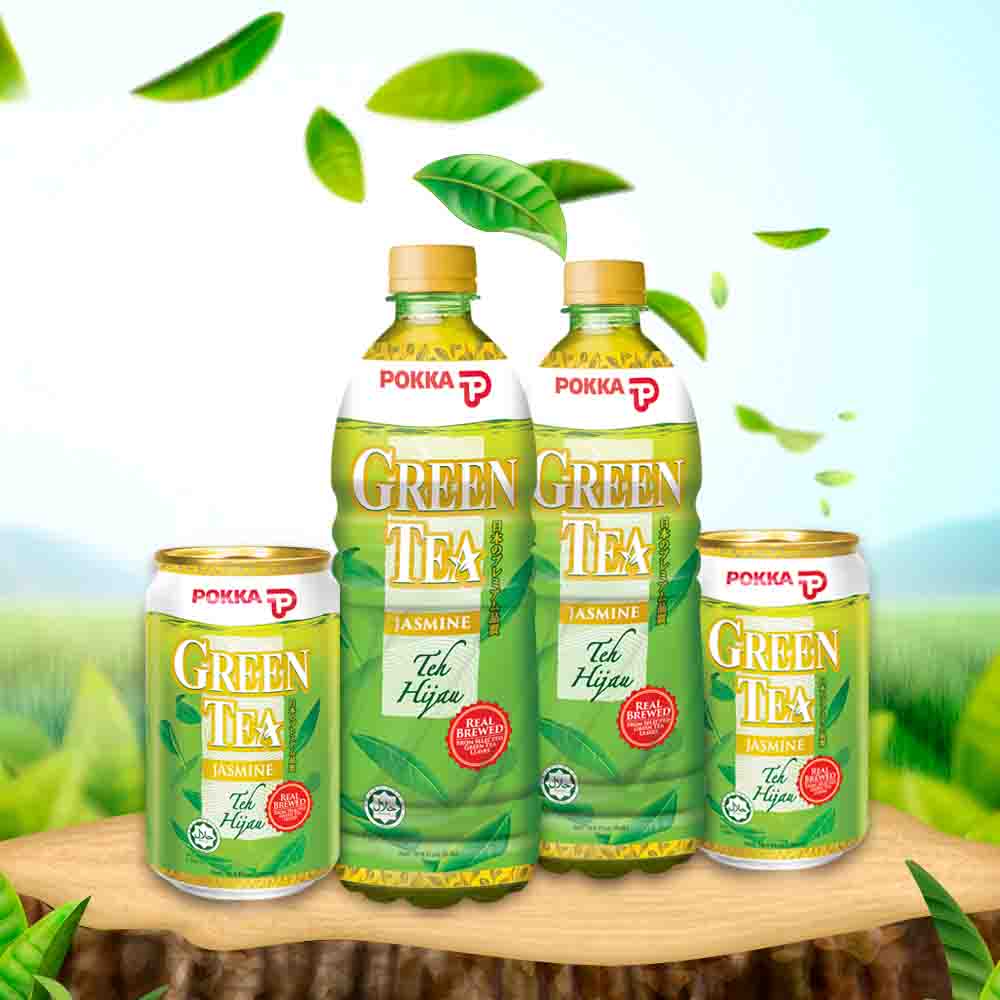
- Pokka Jasmine Green Tea: The iconic flagship formula delivering a balanced blend of premium green tea leaves infused with natural jasmine blossoms, lightly sweetened.
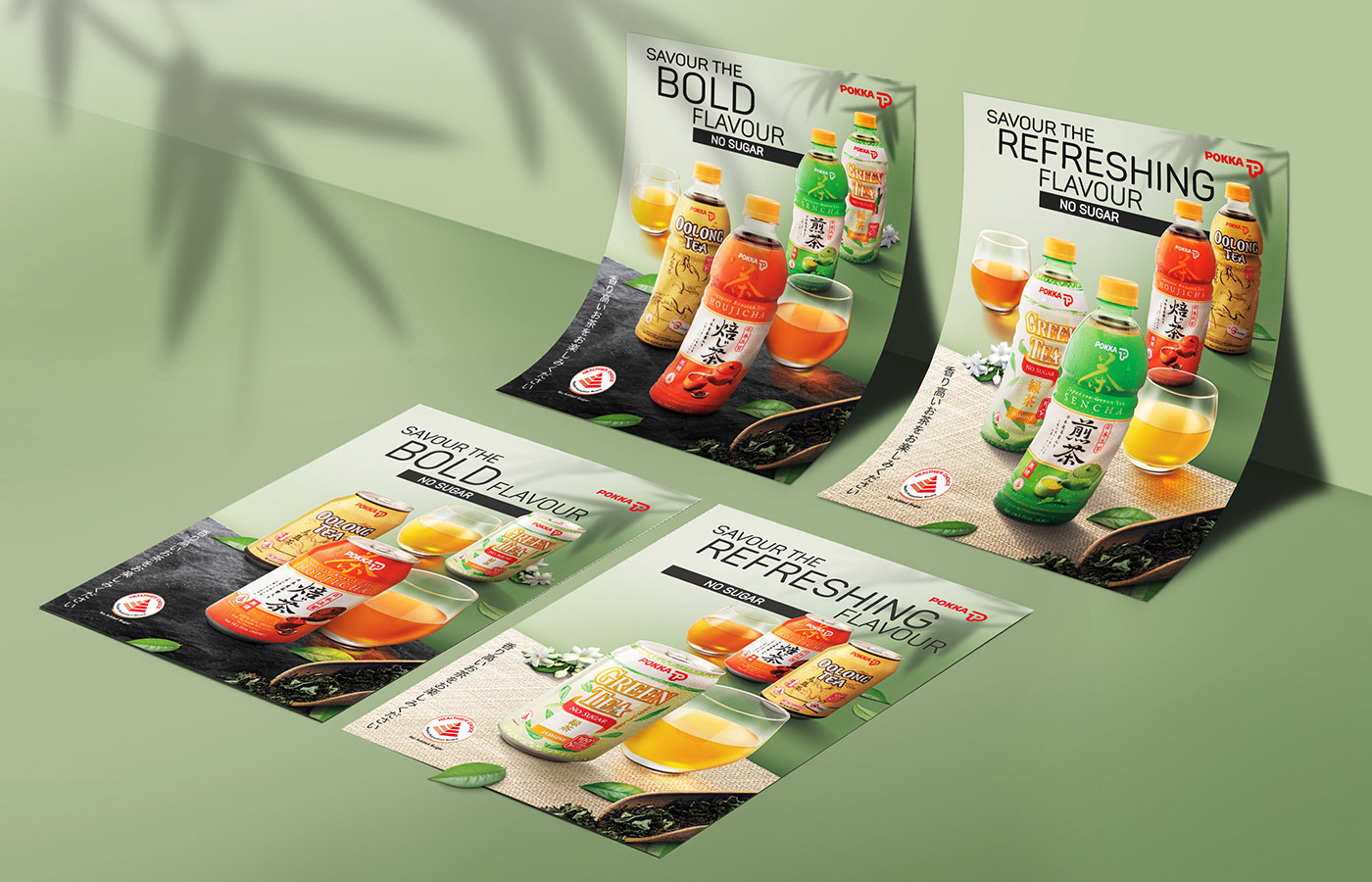
- Pokka Japanese Green Tea (No Sugar): Formulated with 100% real-brewed Japanese green tea leaves without added sugar, artificial colorings, or preservatives. It targets health-conscious and sugar-taxed markets.
Functional & Flavored Variants
- Pokka Honey Lemon Green Tea: Infused with natural honey and citrus notes, combining antioxidant benefits with a sweet-sour flavor profile favored in warm climates.
- Pokka Sencha / Houjicha Specialty Lines: Niche authentic Japanese roasted and steamed green tea variants that command premium margins in gourmet and food-service sectors.
3. Catechin Science, Aseptic Cold Filling, and Quality Preservation Standards
Pokka sets itself apart from lower-tier RTD brands through its commitment to real brewing technology rather than dissolving instant tea powders or extracts.
- Real Leaf Extraction: Selected Camellia sinensis leaves are steeped under precise temperature controls to extract natural tea aromas and polyphenols.
- Aseptic Cold Filling: Tea liquid is micro-filtered and sterilized for seconds at ultra-high temperatures (UHT), then cooled and filled into sterile PET bottles or aluminum cans at room temperature.
- Preserved EGCG Antioxidants: Prevents thermal degradation of Epigallocatechin Gallate (EGCG), keeping active antioxidants bioavailable while avoiding synthetic chemical preservatives like sodium benzoate.
Catechin and EGCG Bioavailability Retention
Green tea leaves derived from Camellia sinensis are rich in polyphenolic compounds, specifically catechins like Epigallocatechin Gallate (EGCG). Pokka’s controlled temperature extraction prevents the thermal degradation of EGCG, ensuring that active antioxidants remain bioavailable throughout the product’s shelf life.
4. Bulk Packaging Specifications, Freight Payload Density, and Container Loading Models
Managing ocean logistics for liquid cargo requires precise payload optimization. Ready-To-Drink tea is weight-dense, meaning ocean containers reach legal road weight limits (“weighing out”) before filling physical volumetric space (“cubing out”).
Packaging Specifications Matrix
| Packaging Format | Unit Capacity | Units per Case / Tray | Cases per Pallet | Shelf Life | Primary Retail Channel |
| Aluminum Can | 300ml | 24 Cans | 100 – 120 Trays | 18 – 24 Months | Food Service / Vending / C-Stores |
| Slim PET Bottle | 500ml | 24 Bottles | 70 – 84 Cases | 12 Months | On-The-Go / Impulse Retail |
| Tetra Pak Box | 250ml | 24 Boxes | 140 – 160 Cases | 12 Months | Institutional / Airlines / Schools |
| Family PET Bottle | 1.5L | 12 Bottles | 45 – 55 Cases | 12 Months | Hypermarkets / Supermarkets |
Ocean Container Loading Options: Floor-Loading vs. Palletized
- Floor-Loading (Hand Stacking): Cartons are stacked directly onto the container floor. This increases total case payload by 15% to 20% compared to wooden pallets, significantly reducing net ocean freight costs per unit.
- Palletized Loading (Euro / ISO Pallets): Reduces total container case capacity but enables rapid forklift offloading at automated distribution centers.
5. B2B Landed Cost & Procurement Margin Calculation Framework
Evaluating wholesale profitability requires modeling all shipping, duty, and handling variables using a structured calculation framework:
- Step 1: Calculate Total Container Expenses = Ocean Freight Cost + Import Duties & Sugar Taxes + Local Port Drayage Fees.
- Step 2: Calculate Total Landed Cost per Case = FOB Factory Case Price + (Total Container Expenses / Total Cases Loaded).
- Step 3: Calculate Landed Unit Cost = Total Landed Cost per Case / Units per Case (e.g., 24 bottles).
- Step 4: Calculate Net Landed Profit Margin (%) = [(Target Wholesale Unit Selling Price – Landed Unit Cost) / Target Wholesale Unit Selling Price] x 100.
Applying this breakdown ensures procurement managers accurately capture freight overhead before releasing capital.
6. International Food Safety Compliance, Phytosanitary Certifications, and Customs Tariffs
Clearing international customs without demurrage delays requires complete compliance documentation verified by origin authorities:
- Commercial Documentation: Invoice, Packing List, and Bill of Lading (B/L) detailing exact Harmonized System codes (HS Code 2202.99 for non-alcoholic tea beverages).
- Certificate of Analysis (CoA): Detailed laboratory report certifying Brix levels, pH range (3.0 – 4.5), microbiological sterility, and absence of heavy metals.
- Halal & Health Certificates: Verified Halal certification (MUIS/JAKIM) for Middle Eastern and Southeast Asian distribution, alongside Health and Free Sale Certificates.
- Compliance Labeling: Over-stickering packaging at origin warehouses with translated local ingredient listings, allergen statements, and regional importer contact details.
Pokka Green Tea Commercial Supply FAQ
Disclaimer: Unless otherwise stated, the images used in this article are the property of their respective owners. We do not claim ownership of any third-party images featured, and they are used here strictly for informational and educational purposes. If you are the copyright holder and wish to have an image removed, please contact us.



