

Understanding the precise Sapporo origin is critical for B2B procurement managers focused on sourcing premium brewing commodities, where consistency in raw material quality directly impacts final product integrity and market reputation. The global demand for consistently high-quality lager, exemplified by brands like Sapporo, necessitates a robust and transparent supply chain for ingredients such as malting barley, hops, and specialty rice, all of which are subject to stringent technical specifications and regulatory compliance.
For organizations committed to excellence in procurement, mastering the nuances of agricultural commodity acquisition is paramount. D-P Consumer understands these complexities, offering solutions that align with the most rigorous industry benchmarks, as detailed in our comprehensive guide on advanced grain procurement strategies. This foundational understanding extends directly to safeguarding the integrity of products whose distinctiveness, like the Sapporo origin, is tied to its core ingredients.
Table of Contents
- Historical Context and the Sapporo Origin Story
- Technical Specifications for Premium Brewing Commodities: The Core of Sapporo Origin
- Quality Assurance: GlobalGAP, ISO, and HACCP in Brewing Ingredient Sourcing
- Optimizing Logistics and Cold Chain Integrity for Brewing Inputs
- Sustainable Sourcing and Supply Chain Transparency for the Modern Sapporo Origin
- Risk Mitigation Strategies for B2B Brewing Commodity Procurement
- Conclusion: Strategic Commodity Sourcing for Brewing Excellence
- Frequently Asked Questions about Sapporo Origin and Raw Material Sourcing
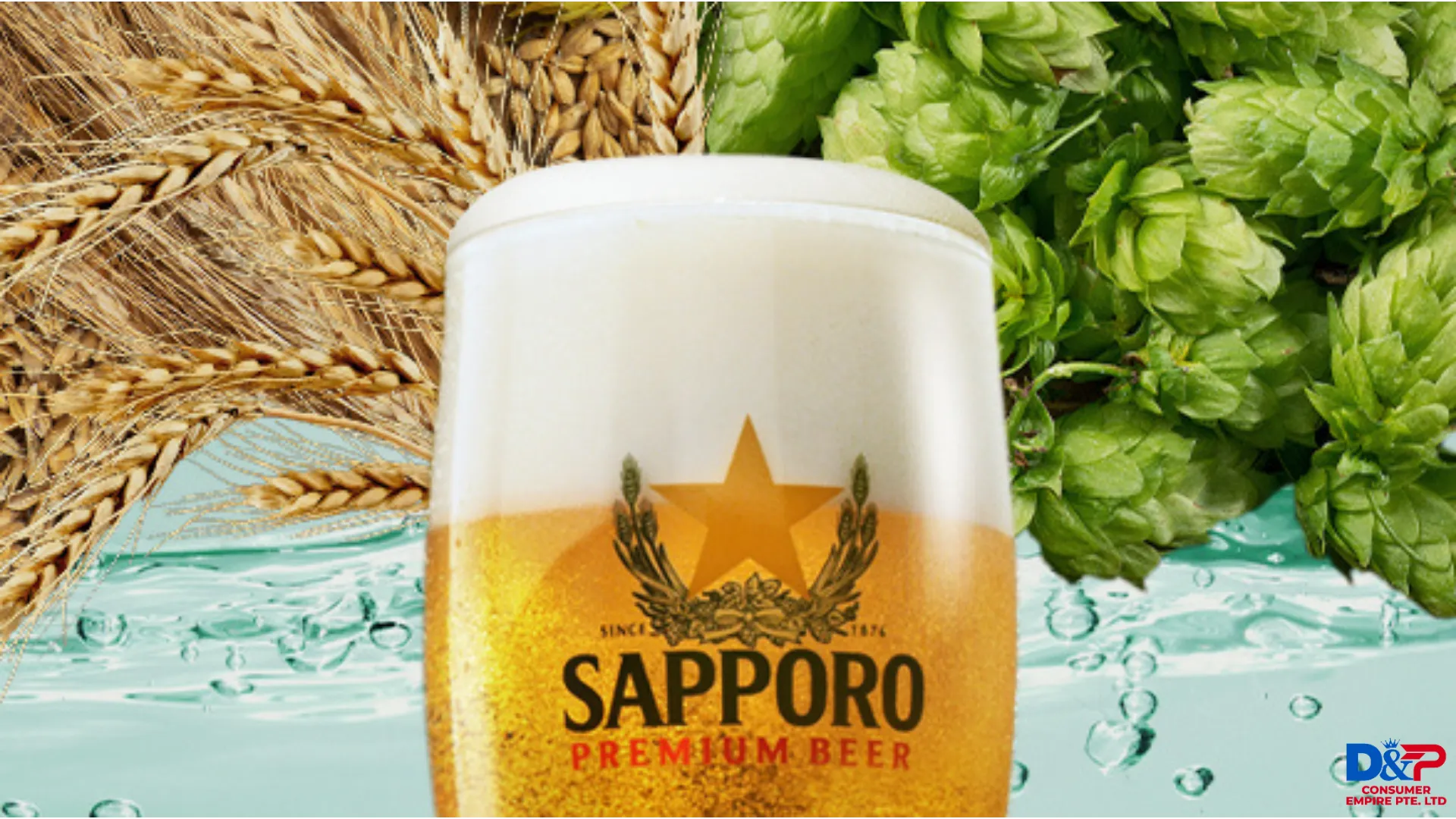
Historical Context and the Sapporo Origin Story
The legacy of Sapporo Beer begins in 1876, a pivotal moment in Japanese industrialization. Seibei Nakagawa, a brewer trained in Germany, established the Kaitakushi Brewery in Sapporo, Hokkaido. His mission was to brew a beer of international quality, leveraging the rich agricultural resources of the region. The initial success was not merely a testament to brewing skill but to an early, intuitive understanding of supply chain integrity.
The original Sapporo origin, therefore, is not just a geographic marker but a commitment to excellence rooted in local sourcing and meticulous quality control. This historical foundation underscores why contemporary B2B procurement must treat the sourcing of brewing commodities with the same reverence for quality and consistency. The brand’s enduring appeal relies on recreating that original purity and flavor profile, which in turn depends on the reliable supply of specific, high-grade raw materials.
Technical Specifications for Premium Brewing Commodities: The Core of Sapporo Origin
For a brand like Sapporo, known globally for its consistent flavor profile, the technical specifications of its brewing commodities are non-negotiable. Deviation in these parameters can lead to costly batch rejections, flavor inconsistencies, and damage to brand reputation. D-P Consumer specializes in ensuring these exact specifications are met, upholding the integrity of the Sapporo origin through rigorous material selection.
Malting Barley: The Foundation of Flavor and Fermentation
Malting barley constitutes the backbone of most lagers, providing fermentable sugars, proteins for yeast nutrition, and enzymes for conversion. For premium beers, specific barley varieties like two-row spring barley are preferred for their ideal protein-to-starch ratios. Key technical parameters include:
- Moisture Content: Typically 12-14%, crucial for preventing spoilage during storage and ensuring optimal malting.
- Protein Content: Lower protein (9.5-11.5%) is generally preferred for lagers to ensure clear wort and reduce haze, while also impacting enzyme activity and foam stability.
- Germination Energy: Minimum 95%, indicating the percentage of viable grains capable of germinating, directly affecting malt extract yield.
- Plumpness: Grains retained on a 2.5 mm sieve should be >90%, ensuring uniform modification during malting.
- Mycotoxin Levels: Strict limits for deoxynivalenol (DON) and other mycotoxins (e.g., <1250 ppb), vital for food safety and regulatory compliance.
- Varietal Purity: High purity (>98%) to ensure consistent enzyme profiles and brewing performance.
| Parameter | Target Specification | Tolerance | Analytical Method |
|---|---|---|---|
| Moisture Content | 12.5% | ±0.5% | ISO 712 / ASBC |
| Protein (Dry Basis) | 10.5% | ±1.0% | ASBC (N x 6.25) |
| Germination Energy (48h) | ≥97% | -1% | ISTA / ASBC |
| Plumpness (>2.5mm) | ≥95% | -2% | ASBC / EBC |
| Mycotoxins (DON) | <1000 ppb | Max 1250 ppb | HPLC / ELISA |
| Foreign Material | <0.5% | +0.2% | Visual / ASBC |
| Varietal Purity | ≥98% | -1% | Genetic Fingerprinting |
Hops: Aroma, Bitterness, and Preservation
Hops contribute bitterness, aroma, and act as natural preservatives. The selection of specific hop varieties is integral to Sapporo’s distinctive profile. Critical specifications include:
- Alpha Acid Content: Determines bitterness potential, varying significantly by hop variety (e.g., 5-18%).
- Beta Acid Content: Contributes to aroma and bitterness stability, less soluble than alpha acids.
- Total Oil Content: Measured in ml/100g, dictates aromatic intensity and character, highly volatile.
- Moisture Content: Typically 8-10% to prevent degradation and mold growth.
- Purity and Absence of Foreign Matter: Essential to prevent off-flavors and ensure brewing efficiency.
Specialty Rice and Water Quality
Sapporo, like many Japanese lagers, often incorporates a percentage of rice in its grist, contributing to a lighter body and crisp finish. Rice specifications focus on starch content and absence of impurities. Water, though often overlooked, is perhaps the most critical component, with its mineral profile (e.g., calcium, magnesium, sulfates, chlorides) profoundly impacting mash pH, enzyme activity, and flavor extraction, thereby influencing the very essence of the Sapporo origin in liquid form.
Quality Assurance: GlobalGAP, ISO, and HACCP in Brewing Ingredient Sourcing
Maintaining the premium status of brewing commodities for brands like Sapporo requires adherence to the highest international quality assurance standards. D-P Consumer’s partners are rigorously vetted to comply with these benchmarks.

GlobalGAP for Sustainable Agricultural Practices
GlobalGAP certification ensures that agricultural products are produced safely and sustainably. For malting barley and hop farms, this means adherence to responsible water use, pest management, fertilizer application, and worker welfare. Such practices directly support the long-term viability of high-quality ingredient sources, aligning with the integrity demanded by the Sapporo origin narrative. Learn more about its benefits in our GlobalGAP certification guide.
ISO 22000 and HACCP for Food Safety Integrity
Once harvested, brewing commodities enter a complex supply chain. ISO 22000 (Food Safety Management System) and HACCP (Hazard Analysis and Critical Control Points) are vital for ensuring food safety at every stage – from post-harvest handling and storage to processing and transportation. These systems identify, evaluate, and control food safety hazards, preventing contamination from pathogens, chemicals, or foreign materials. Implementing these standards safeguards the raw materials’ purity and quality, preserving the intended profile derived from the Sapporo origin. Our insights into ISO 22000 food safety provide further details on these crucial protocols.
Optimizing Logistics and Cold Chain Integrity for Brewing Inputs
The journey from farm to brewery is fraught with potential for degradation if not managed meticulously. Effective logistics and, for sensitive ingredients, robust cold chain management are paramount to preserving the intrinsic quality of brewing commodities and upholding the Sapporo origin standard.
Controlled Environment Storage and Transportation
Bulk commodities like malting barley require controlled atmospheric storage to prevent moisture uptake, pest infestation, and fungal growth. Humidity and temperature regulation in warehouses and during transit (e.g., in bulk containers or silos) are critical. For hops, particularly processed hop pellets or extracts, even more stringent conditions apply.
Cold Chain Management for Sensitive Hops Extracts
Hop extracts and some specialty hop products are highly sensitive to heat and oxygen, which can cause rapid degradation of alpha acids and aromatic compounds. A seamless cold chain, maintaining consistent temperatures (often sub-zero), is essential from the point of processing through to delivery. Specialized refrigerated containers and real-time temperature monitoring systems are deployed to prevent any compromise. Understanding and optimizing these processes is critical, as discussed in our article on cold chain logistics optimization.
Sustainable Sourcing and Supply Chain Transparency for the Modern Sapporo Origin
Today’s B2B procurement landscape demands more than just quality; it requires demonstrable sustainability and transparency. Brewers, like Sapporo, are increasingly scrutinized for their environmental and social footprint. D-P Consumer facilitates sourcing strategies that embed these values from the ground up, honoring the legacy of the Sapporo origin by ensuring future viability.

Traceability and Ethical Sourcing
Comprehensive traceability systems allow for tracking ingredients back to their farm of origin. This transparency is vital for verifying sustainable practices, ethical labor conditions, and adherence to environmental regulations. Implementing robust digital platforms for supply chain visibility enables rapid identification and resolution of any issues.
Environmental Impact Assessment
Partnerships with growers who implement practices like reduced tillage, cover cropping, and efficient water management are prioritized. Measuring the carbon footprint and water usage associated with cultivating and transporting brewing commodities allows for continuous improvement and supports the brand’s sustainability goals.
Risk Mitigation Strategies for B2B Brewing Commodity Procurement
Global commodity markets are inherently volatile, influenced by climate change, geopolitical events, and economic shifts. For B2B buyers seeking to maintain consistent quality for brands like Sapporo, robust risk mitigation strategies are imperative to protect the integrity of the Sapporo origin ingredients.
Diversification of Suppliers and Geographic Sourcing
Relying on a single source or region for critical commodities like malting barley or specific hop varieties introduces significant risk. D-P Consumer advocates for a diversified supplier base across multiple geographic regions to buffer against localized crop failures, trade restrictions, or logistical disruptions. This strategy ensures continuity of supply and maintains price stability.
Robust Contractual Agreements and Quality Guarantees
Detailed contracts specifying quality parameters, delivery schedules, and contingency clauses are fundamental. These agreements must incorporate penalties for non-compliance and clearly define procedures for dispute resolution. Quality guarantees, backed by third-party verification and stringent inspection protocols, provide an added layer of assurance.
Contingency Planning and Inventory Management
Proactive contingency planning, including strategic safety stock levels and alternative sourcing pathways, is essential. While maintaining excess inventory incurs costs, a balanced approach to stock management can prevent production stoppages and safeguard against unforeseen supply chain shocks, protecting the flow of materials essential to the Sapporo origin.
Conclusion: Strategic Commodity Sourcing for Brewing Excellence
The esteemed reputation of Sapporo Beer, with its distinctive Sapporo origin, is inextricably linked to the meticulous sourcing and quality control of its raw materials. For B2B procurement managers, this involves navigating a complex landscape of technical specifications, global certifications (GlobalGAP, ISO, HACCP), intricate logistics, and pressing sustainability demands. Partnering with a specialist like D-P Consumer ensures not only the consistent supply of premium brewing commodities but also adherence to the highest standards of food safety, environmental stewardship, and supply chain transparency.
Safeguarding the integrity of these foundational ingredients is not merely a logistical task but a strategic imperative that directly contributes to brand longevity and consumer loyalty. To discuss your specific procurement needs for brewing commodities and ensure the consistent quality your brand demands, we invite you to explore our services further and request a detailed quote. Visit our dedicated page to learn how D-P Consumer can optimize your supply chain: D-P Consumer: Sapporo Origin.



